Nanzenji Temple
Nanzen-ji南禅寺

Nanzenji Temple
Nanzen-ji南禅寺
About Nanzenji Temple
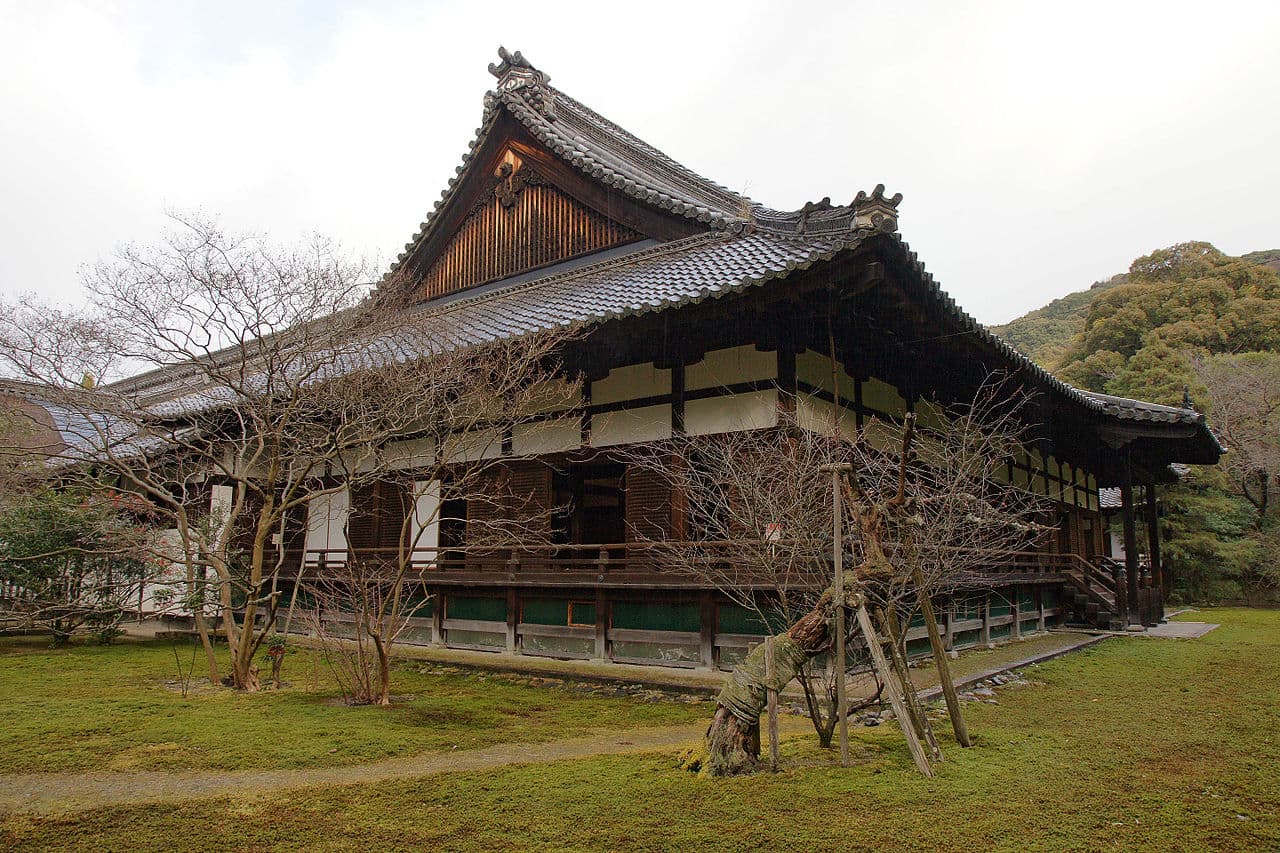
Nanzen-ji is one of Kyoto's most important Rinzai Zen temples, originating as an imperial villa in 1264. The sprawling grounds feature the massive Sanmon gate, a National Treasure Hōjō (abbot's quarters) with famous screen paintings, multiple serene Zen gardens, and the striking red-brick Suirokaku aqueduct from the Meiji period.
Cultural Assets
Hōjō (Abbot's Quarters) and its screen paintings
National TreasureFeatures fusuma (sliding screen) paintings from the 17th-century Kano school.
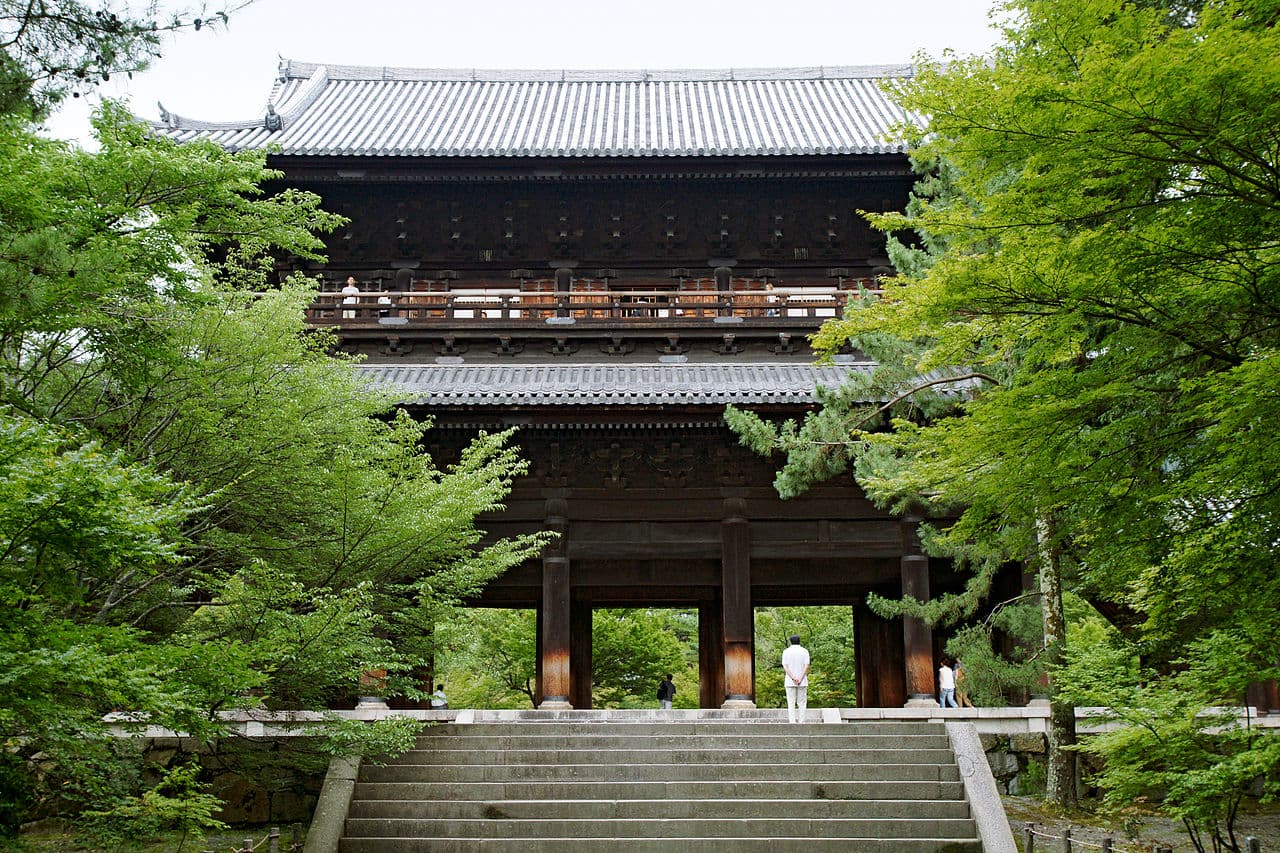
Sanmon Gate
Important Cultural PropertyA massive two-story gate, one of the three great temple gates of Japan, offering panoramic city views.
Last entry is ~16:40 (Mar-Nov) / ~16:10 (Dec-Feb). The complex is closed during the New Year's holiday (Dec 28-31).
Viewing the outer grounds is free. A combined pass for the Hōjō Garden & Sanmon Gate is ¥600. Sub-temples like Nanzen-in and Tenju-an have separate admission fees (approx. ¥400 each).
Plan 1-2 hours for the main grounds. Visiting one or more sub-temples (like Nanzen-in or Tenju-an) and climbing the Sanmon gate will extend the visit to 2-3 hours.
The main grounds, courtyards, and aqueduct area are mostly accessible. However, the Sanmon gate has steep stairs and is not accessible. The Hōjō garden entry requires a small step.
Best Time to Visit
Most visited during autumn foliage (late Oct-Nov) and spring cherry blossom (early April). To avoid the heaviest crowds, aim for early morning (before 9 AM) or weekdays.
Getting There
Easiest access is via subway. Take the Tozai Line to Keage Station, followed by a ~10-minute walk. Alternatively, take Kyoto City Bus #5 to the 'Nanzenji/Eikando-michi' stop.
Photography Policy
Photography is generally allowed outdoors. Prohibited inside halls and of artworks.