Eikando (Zenrinji) Temple
Eikan-dō (Zenrin-ji)永観堂(禅林寺)

Eikando (Zenrinji) Temple
Eikan-dō (Zenrin-ji)永観堂(禅林寺)
About Eikando (Zenrinji) Temple
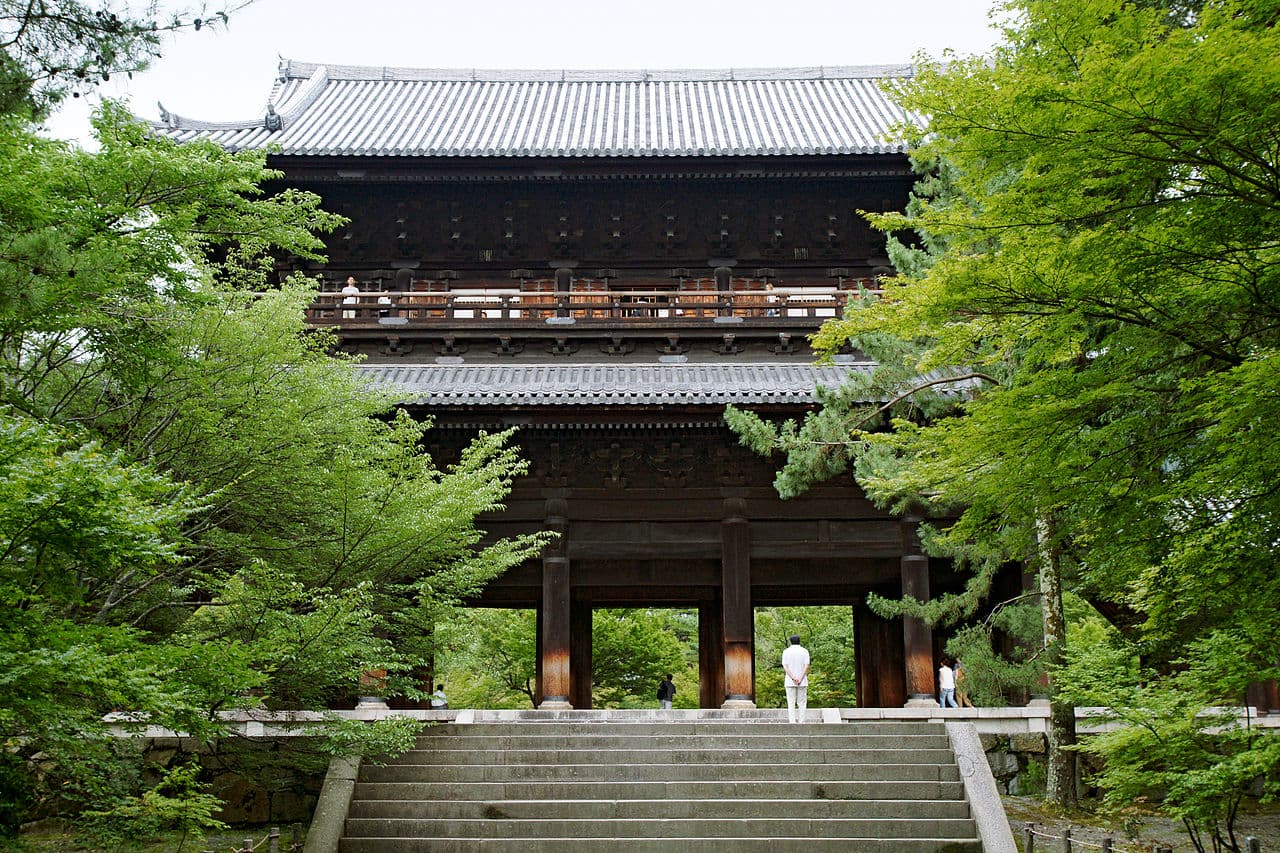
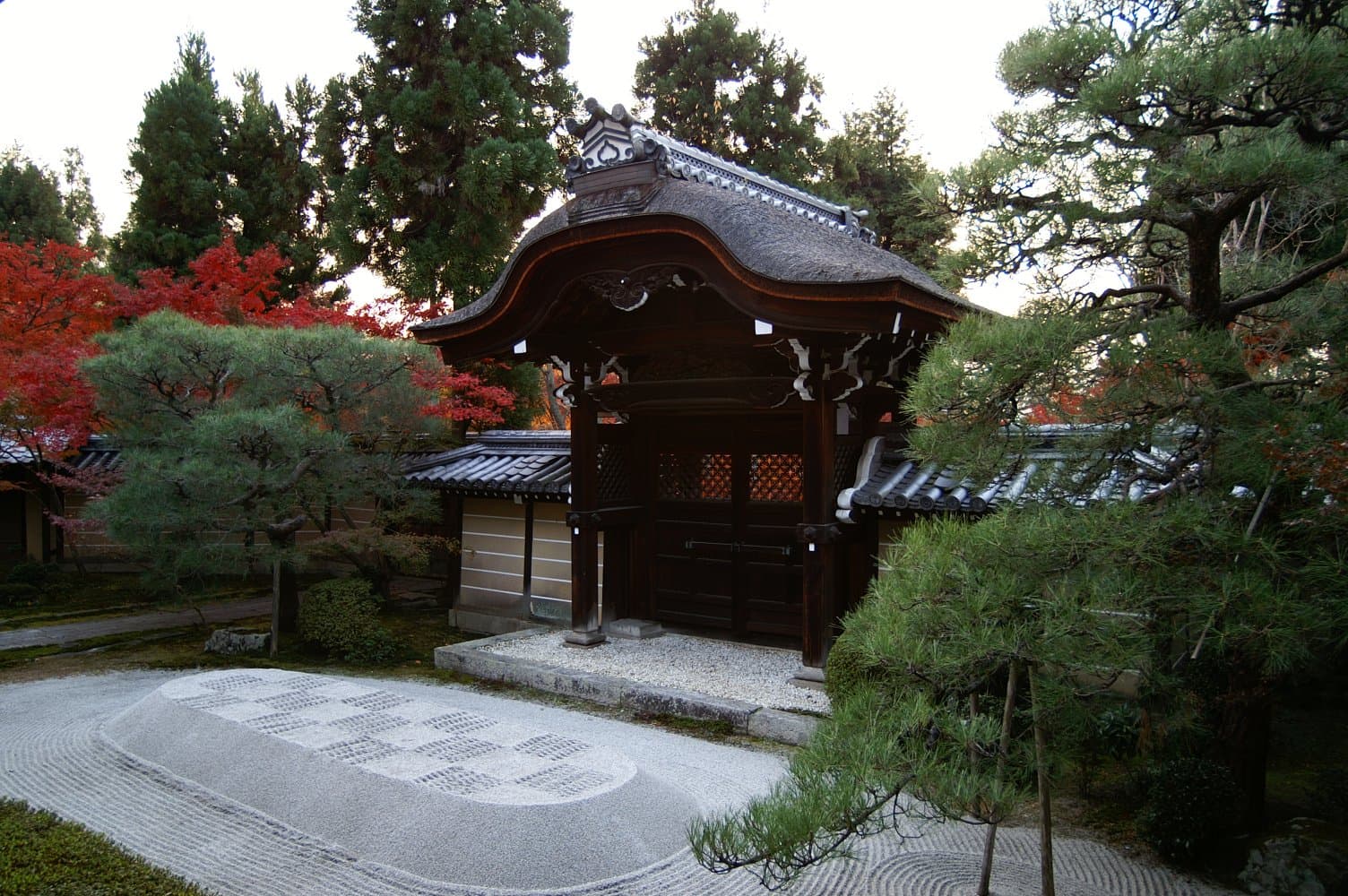
Eikan-dō is the head temple of the Jōdo-shū (Pure Land) Buddhist sect, founded in the 9th century. Located on the slopes of Kyoto's Higashiyama mountains, the sprawling complex is interconnected by covered walkways and is renowned for its unique 'Mikaeri Amida' (Looking-back Amida) statue. The temple is universally celebrated for its breathtaking display of thousands of maple trees, making it Kyoto's premier destination for autumn foliage, especially during its magical evening illuminations.
Cultural Assets
Mikaeri Amida (Looking-back Amida) Statue
Important Cultural PropertyA unique 12th-century wooden statue of Amida Buddha with its head turned over its left shoulder, famed for the legend of it speaking to priest Yōkan.
Buddhist Paintings
ArtworkA collection of significant Buddhist and traditional Japanese paintings by masters like Kanō Motonobu and Hasegawa Tōhaku, housed primarily in the Tahōtō pagoda.
Last entry is at 16:00. During the autumn illumination period (early Nov to early Dec), hours are extended to 21:00 with last entry at 20:30.
Regular admission is ¥600. During the peak autumn season (early Nov to early Dec), daytime admission is ¥1000. A separate fee of ¥700 is required for the evening illuminations.
Plan on 1.5 to 2 hours for a general visit. During the popular autumn season or for the night illuminations, allow 3+ hours.
Limited. The temple complex is built on a hillside and features many stairs, covered walkways, and uneven paths, making it challenging for wheelchair users.
Best Time to Visit
Autumn (second half of November) is peak season for spectacular foliage and illuminations, but expect very large crowds. For a more tranquil experience, visit on a weekday morning or during the fresh greenery of late spring/early summer.
Getting There
From Kyoto Station, take Kyoto City Bus #5 to the 'Nanzenji-Eikando-michi' stop (5-min walk). Alternatively, take the Tozai Subway Line to Keage Station (15-20 min walk).
Photography Policy
Photography is prohibited inside temple halls, especially where artifacts are displayed. It is generally permitted in outdoor areas and gardens. Use of tripods is discouraged due to crowds.