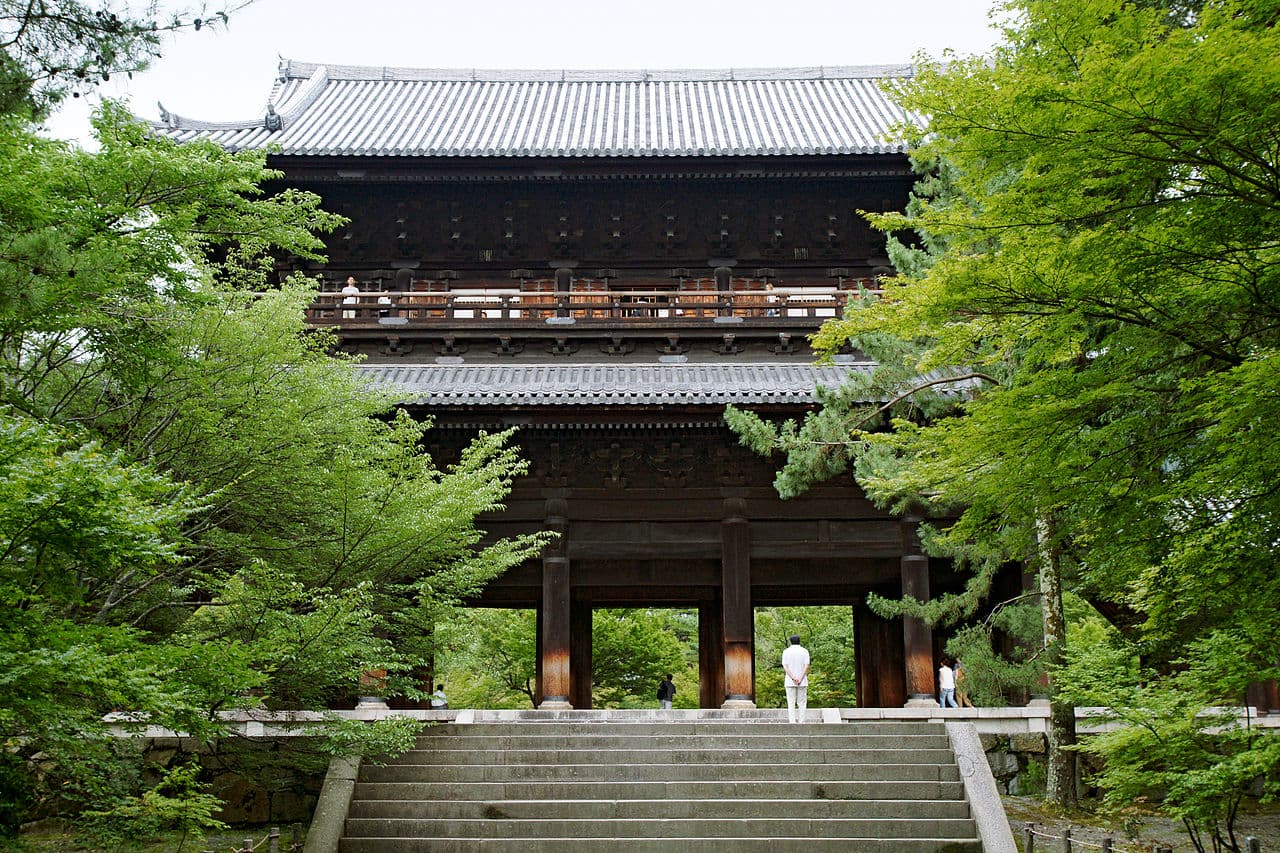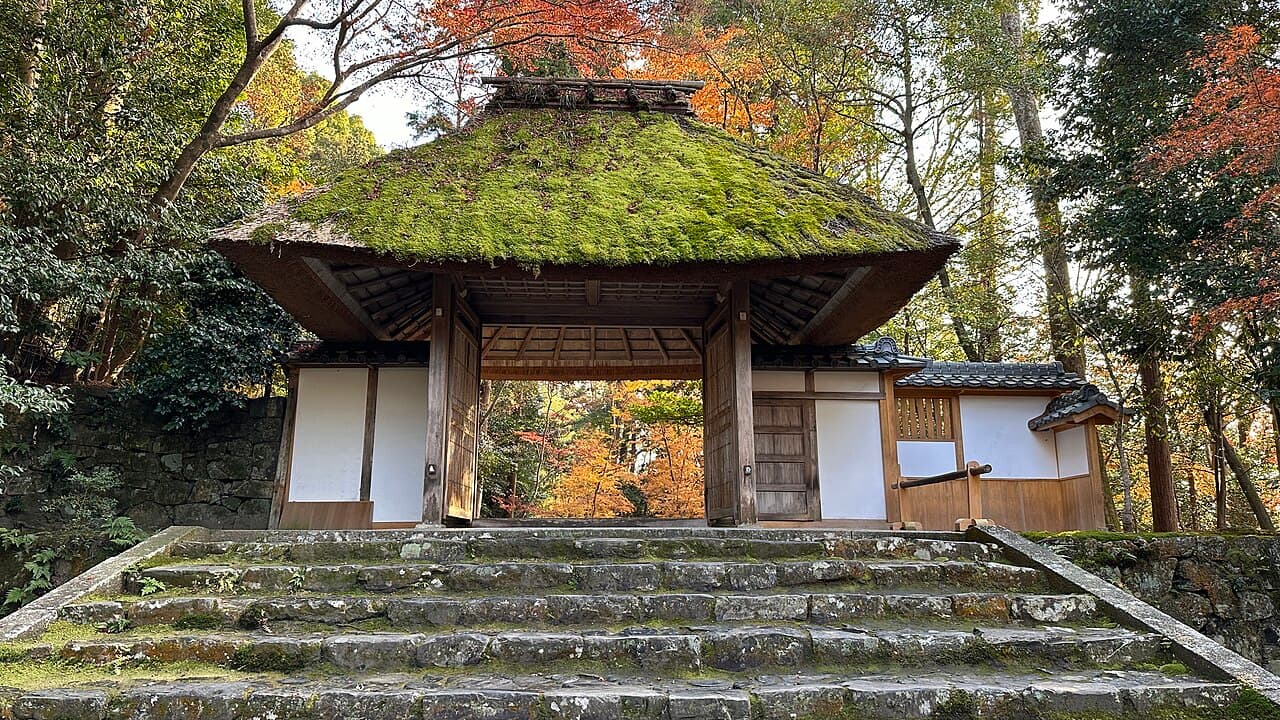
Ginkakuji Temple (Silver Pavilion)
Ginkaku-ji (Jishō-ji)銀閣寺(慈照寺)
Ginkakuji Temple (Silver Pavilion)
Ginkaku-ji (Jishō-ji)銀閣寺(慈照寺)
About Ginkakuji Temple (Silver Pavilion)
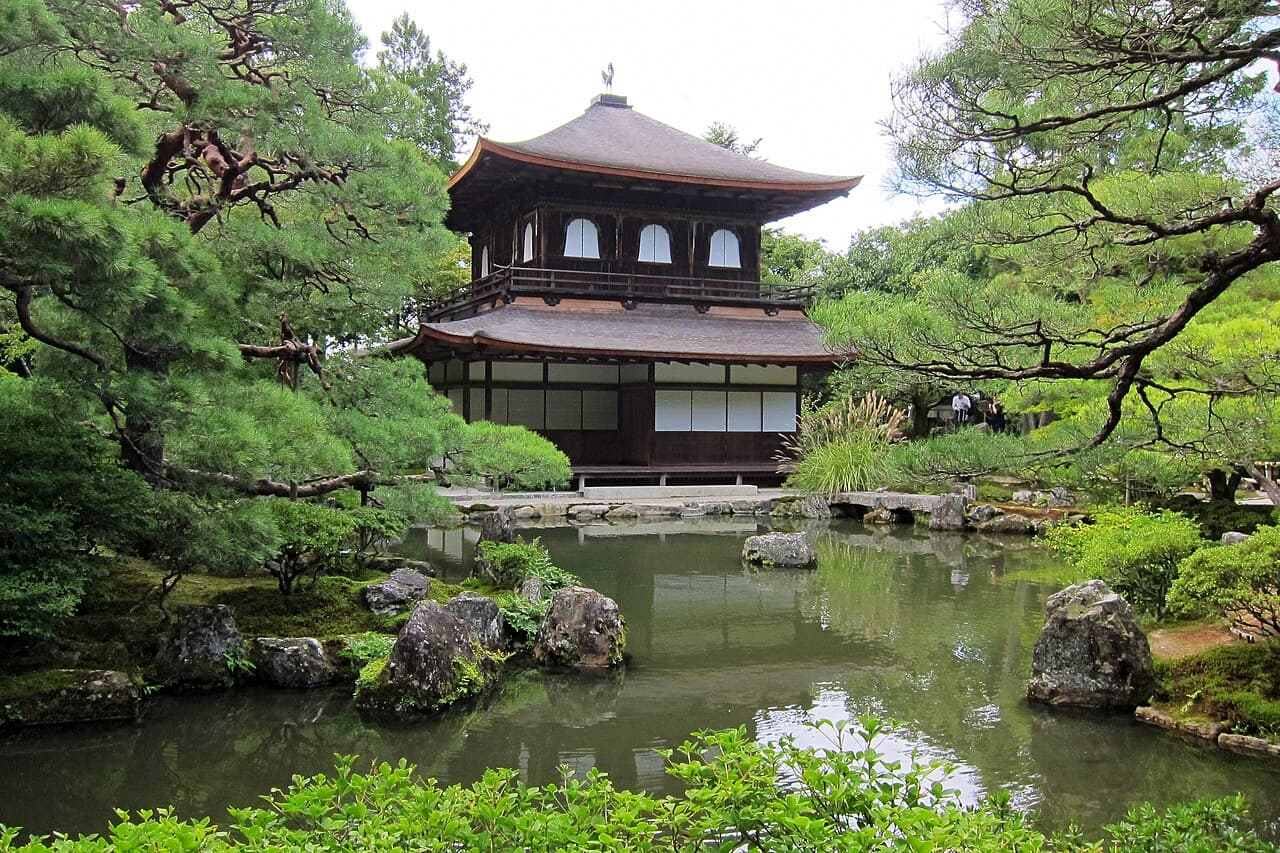
Ginkaku-ji, officially Jishō-ji, is a Rinzai Zen temple whose serene atmosphere embodies the Japanese aesthetic of wabi-sabi. Originally the retirement villa of Shogun Ashikaga Yoshimasa, it became the heart of the Higashiyama Culture, where the tea ceremony and flower arrangement flourished. Though famously nicknamed the 'Silver Pavilion', it was never covered in silver. Its most iconic features are the unique dry sand garden with its massive sand cone 'Kogetsudai' and the raked 'Sea of Silver Sand' (Ginshadan), designed to reflect moonlight.
Cultural Assets
The Silver Pavilion (Kannon-den)
National TreasureThe iconic main temple hall, which despite its name, was never covered in silver.
Tōgu-dō
National TreasureAshikaga Yoshimasa's former living quarters and study, considered a prototype of modern shoin-zukuri architecture.
Gardens of Jishō-ji
National Site of Scenic BeautyThe temple's famous gardens, including the unique dry sand garden and moss garden.
Admission grants access to the circular garden path for viewing the grounds. Entry into the temple buildings, including the Silver Pavilion, is not permitted.
¥300 for primary and middle school students.
A typical visit takes about 60-90 minutes to walk the circular path and view the gardens.
The main gravel paths are relatively flat, but the circular route includes some gentle inclines and steps, which may be challenging for some wheelchair users.
Best Time to Visit
Autumn (late Nov-early Dec) is peak for foliage. To avoid crowds, arrive right at opening time, especially during peak seasons.
Getting There
From Kyoto Station, take Kyoto City Bus #5 or #17 to the Ginkakuji-michi stop (~40 min), followed by a 5-10 minute walk.
Photography Policy
Photography is permitted outdoors from the designated path. Monopods and tripods are prohibited. Entry into the temple buildings is not allowed.