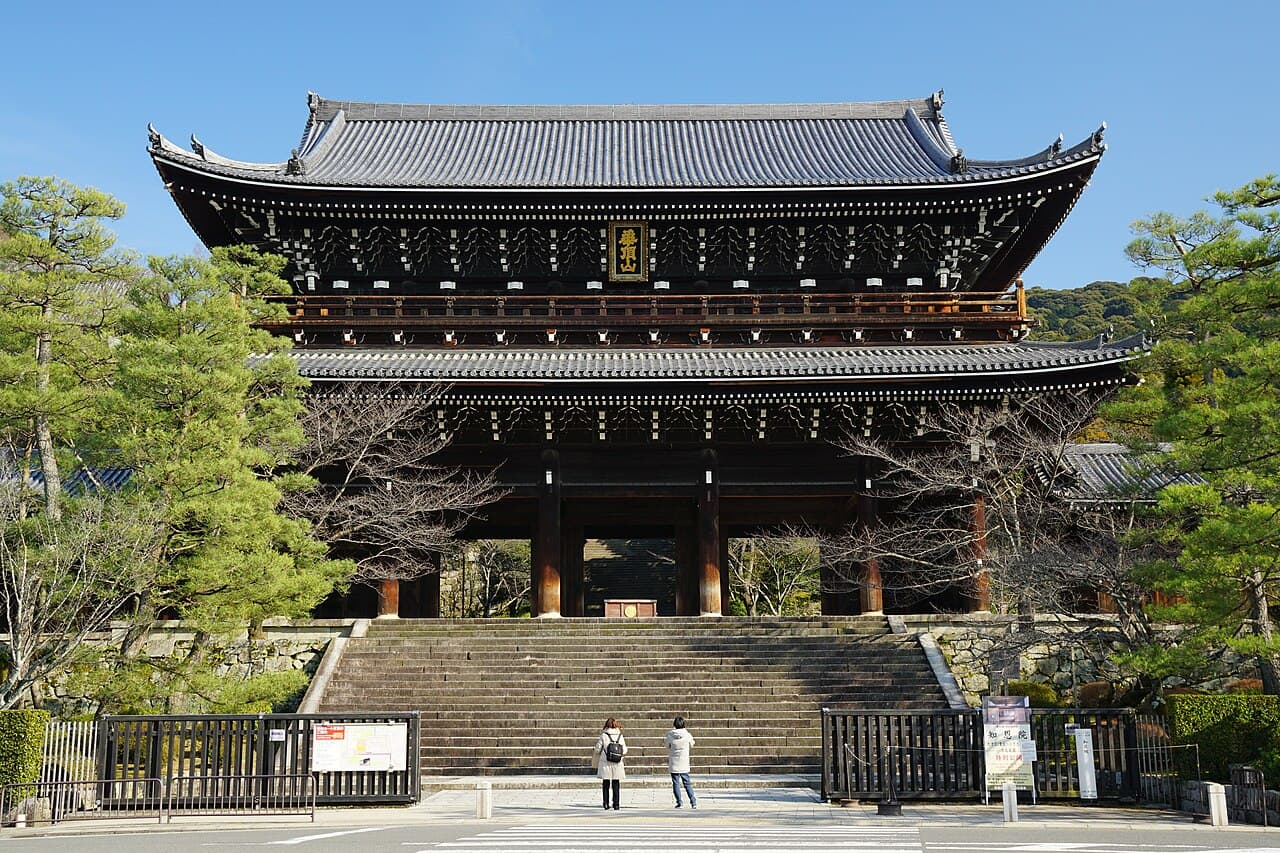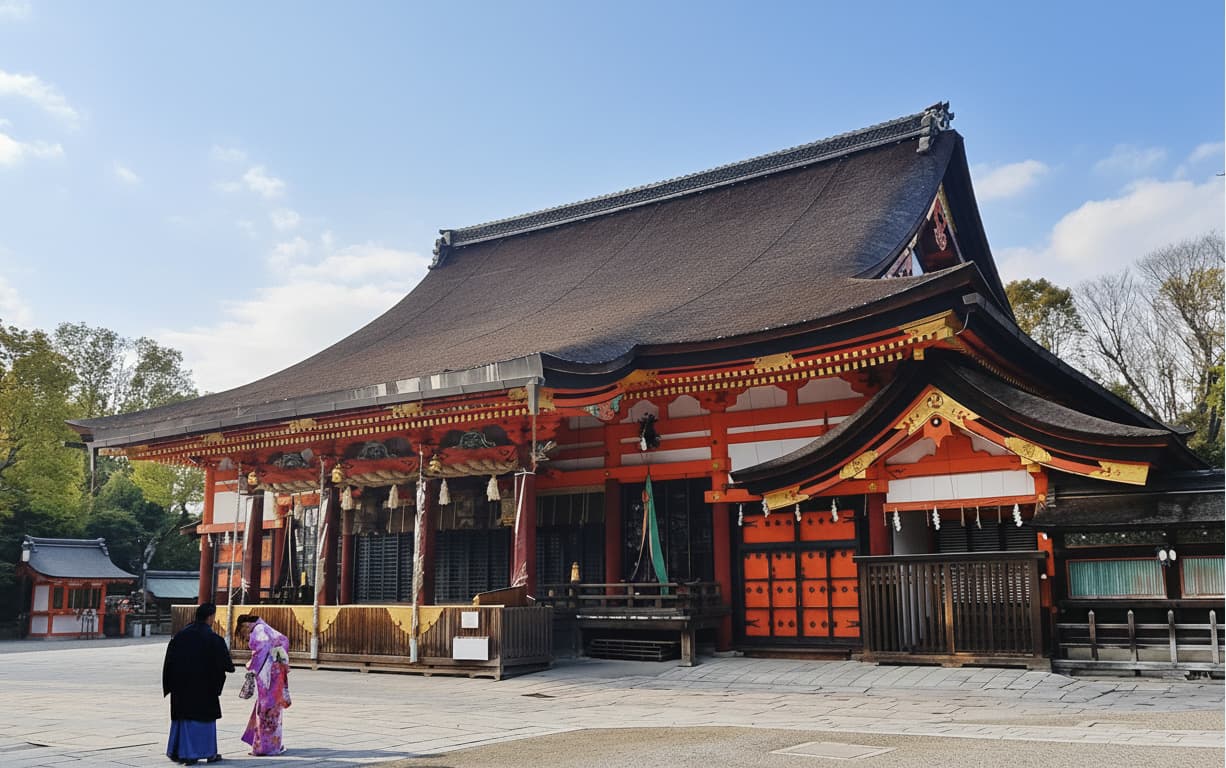
Shorenin Temple
Shōren-in青蓮院

Shorenin Temple
Shōren-in青蓮院
About Shorenin Temple
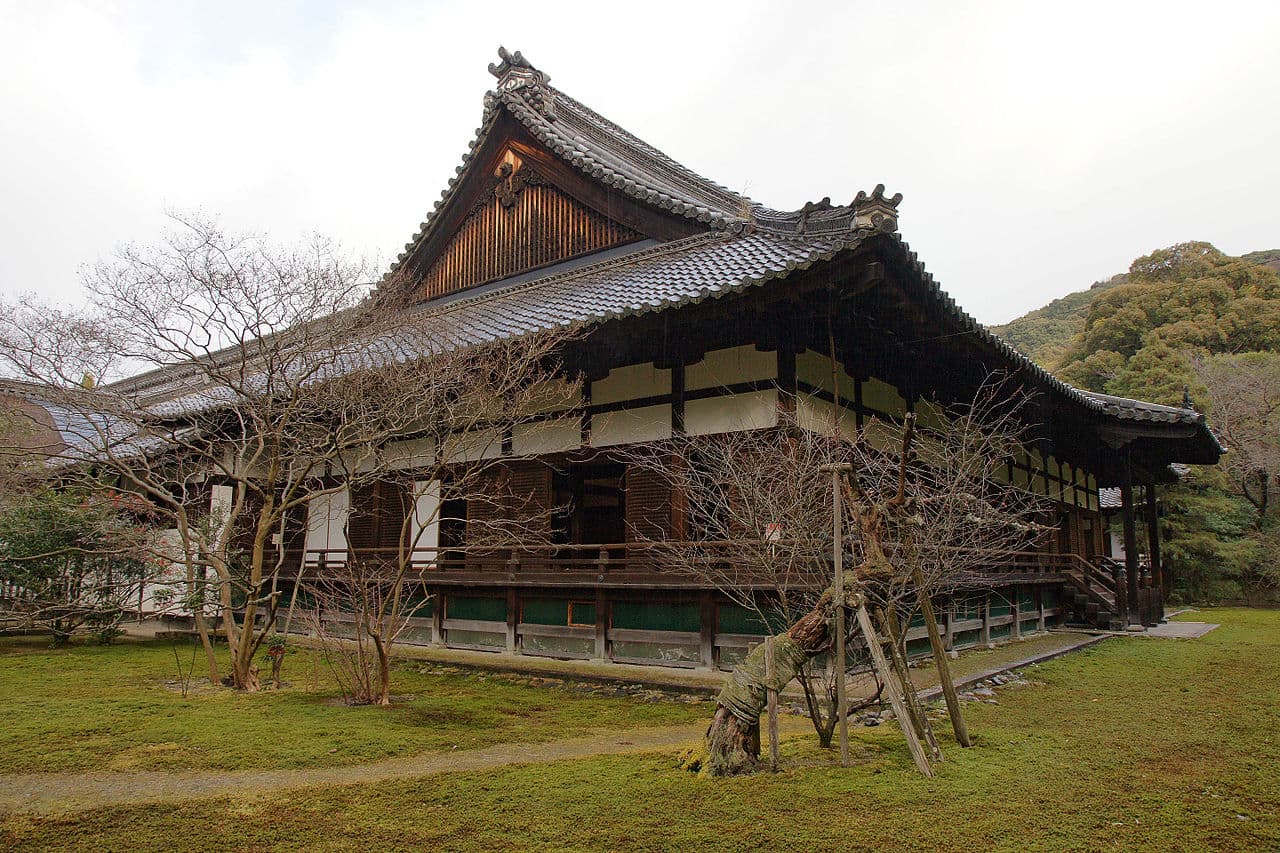
Shōren-in is one of Kyoto's five prestigious Monzeki temples of the Tendai sect, with deep-rooted connections to the imperial family. Originally an imperial residence known as the 'Awata Palace', its buildings retain a unique villa-like elegance. The temple is famed for its stunning stroll gardens, which feature a tranquil pond, a vast moss garden shaded by ancient camphor trees, and a serene bamboo grove. It also briefly served as the temporary Imperial Palace after a great fire in 1788.
Cultural Assets
Temple Precincts
National Historic SiteThe entire grounds are designated as a historic site due to their deep imperial connection and cultural significance.
Fudō Myōō Painting (Mandala)
National TreasureA revered painting of the wrathful deity Fudō Myōō and a Buddhist mandala, which are the temple's main objects of worship and rarely shown to the public.
Cultural Experiences
Tea Ceremony
Availability: Occasionally held
Last entry is at 16:30. During special spring and autumn illuminations, hours are extended to 22:00 (last entry 21:30).
¥400 for high/junior high school, ¥200 for elementary. A higher fee of ¥800 applies during special night illuminations.
Plan on 1 to 2 hours to explore the buildings and gardens at a leisurely pace.
Limited. The temple features wooden walkways and garden paths which may have steps and uneven surfaces, making it challenging for wheelchair users.
Best Time to Visit
Best in spring and autumn for special night illuminations. As it is often bypassed by tour groups, it offers a tranquil visit year-round, especially on weekday mornings.
Getting There
From Kyoto Station, take Bus #5 to the Jingu-michi stop (5-min walk), or take the Tozai Subway Line to Higashiyama Station (5-min walk).
Photography Policy
Photography is generally allowed in the gardens. Restrictions apply inside halls, especially near the main objects of worship. Tripods are discouraged.