In the early 11th century, a lady-in-waiting named Murasaki Shikibu sat down at a desk in Kyoto and began to write. And by doing so, she captured the soul of an era.
The Tale of Genji is often read as a romance. It is a soap opera of courtly love, illicit affairs, and political maneuvering. But beneath the silk robes and poetry contests lies a profound spiritual map of the Heian period. It is a world where jealousy can become a living demon, where past lives dictate present suffering, and where the beauty of a cherry blossom is always, inevitably, a reminder of death.
To travel through Kyoto with Genji in mind is to see the city not just as a collection of old buildings, but as a stage for a thousand-year-old spiritual drama. Here is how to trace the sacred geography of the Shining Prince.
The Spiritual Engine of the Novel
Before visiting the sites, you need to understand the invisible forces driving the plot. The Heian aristocracy lived in a "syncretic" world where Shinto and Buddhism were deeply intertwined.
Karma (Gō; 業): Nothing in Genji’s life is accidental. His affairs, his exile, and his eventual sorrow are all fruits of seeds sown in past lives. The characters are constantly aware that their current suffering is a karmic debt.
Mono no Ke (Possessing Spirits; 物の怪): This is the supernatural thriller aspect of the book. Intense human emotion, specifically jealousy, was believed to detach from a living person and attack others. The most famous example is Lady Rokujō. Her suppressed rage becomes a wandering spirit that kills her rival, Aoi no Ue. It wasn't a metaphor. It was a terrifying spiritual reality that required exorcism.
Mujō (Impermanence; 無常): The beauty in Genji is always tinged with sadness (mono no aware). The characters know that youth, love, and life itself are fleeting. This Buddhist realization drives them toward the final spiritual act: shukke, or leaving the world to take monastic vows.
Rozan-ji: Where It All Began
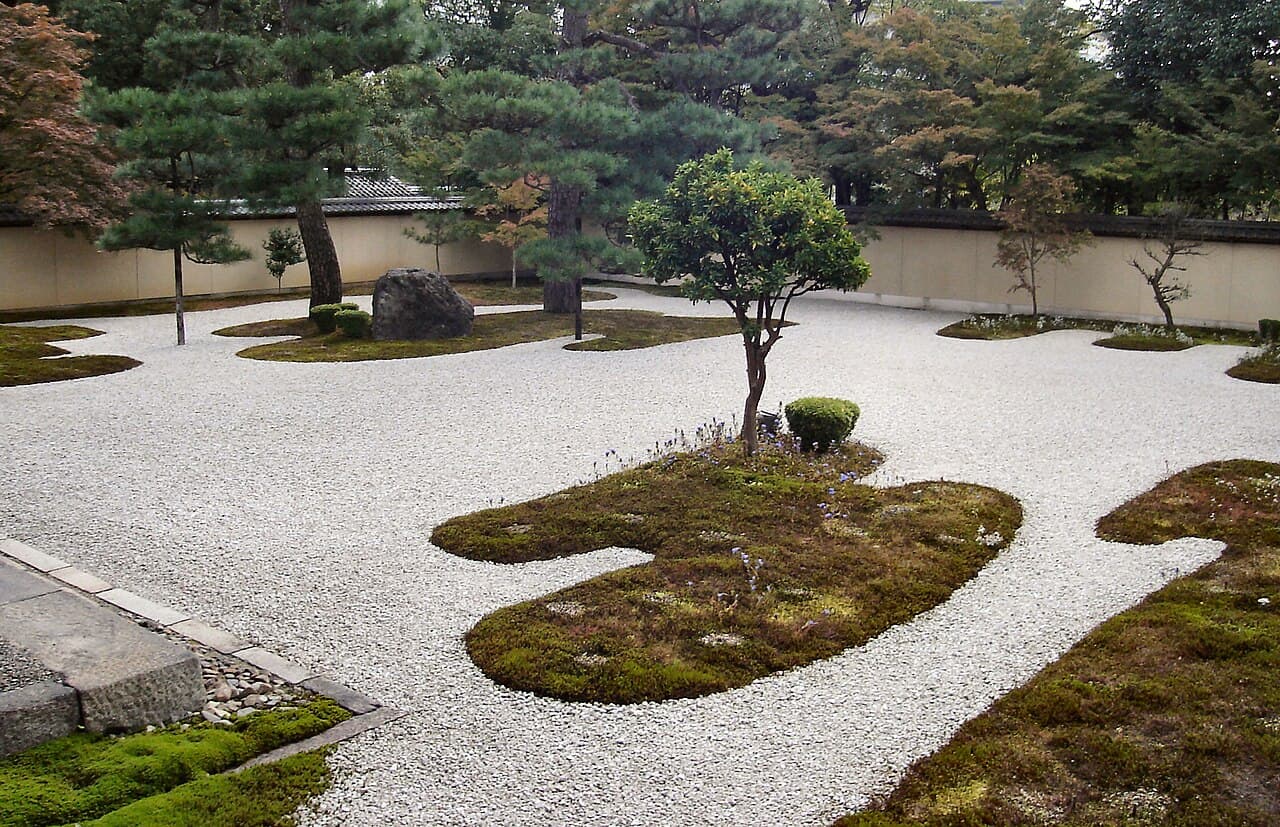
This is ground zero. Rozanji Temple stands on the exact site of the mansion where Murasaki Shikibu lived and wrote her masterpiece. It isn't a grand, sprawling complex. It is an intimate temple with a profound connection to the author.
The highlight is the Genji Garden, known for its bellflowers (kikyo), which bloom purple in late summer. This is a nod to the author's name ("Murasaki" means purple). Inside, you can see replicas of her diary and scrolls depicting scenes from the novel. It is a quiet place to contemplate the woman who observed the court's spiritual anxieties and turned them into art.
Loading listing...
Shimogamo Shrine: The Stage of Rivalry
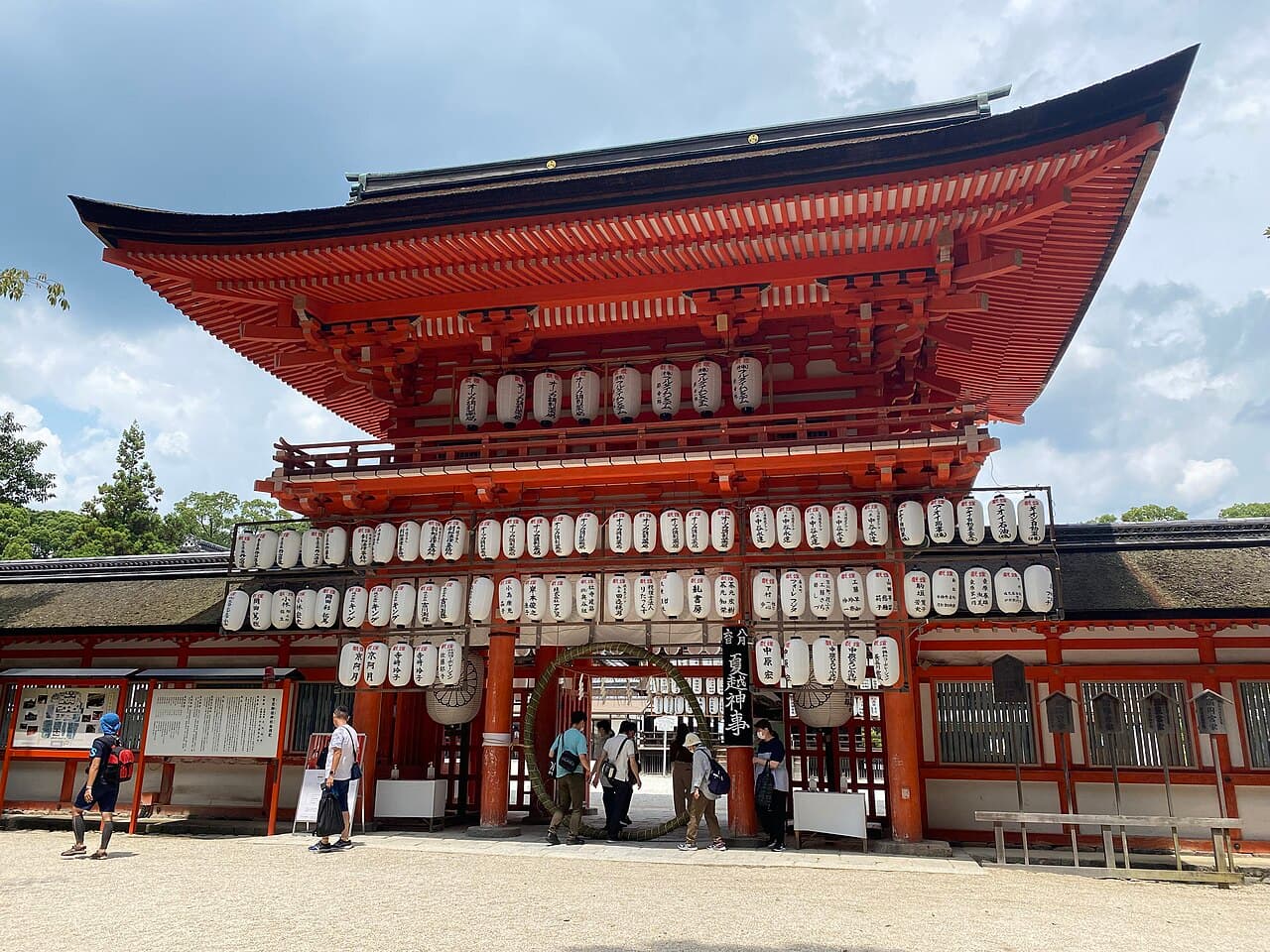
In the novel, the Aoi Matsuri (Hollyhock Festival) is the backdrop for a critical turning point. Genji’s wife, Aoi, and his lover, Lady Rokujō, clash over a parking spot for their ox carts. Rokujō is humiliated. This rage triggers the spirit possession that eventually kills Aoi.
Shimogamo Shrine is where this festival takes place (and still does, every May 15th). The shrine is set within the Tadasu no Mori (Forest of Correction), a primeval forest that feels ancient and heavy with divine presence. Walking through these trees, it is easy to imagine the ox carts jostling for position and the simmering tensions of the Heian court.
Traveler Tip: Visit the Kawai Shrine within the grounds. It is dedicated to beauty, where patrons paint faces on ema (votive plaques) to pray for good looks. It is a very Heian-esque concern.
Loading listing...
Nonomiya Shrine: The Heartbreak in the Bamboo
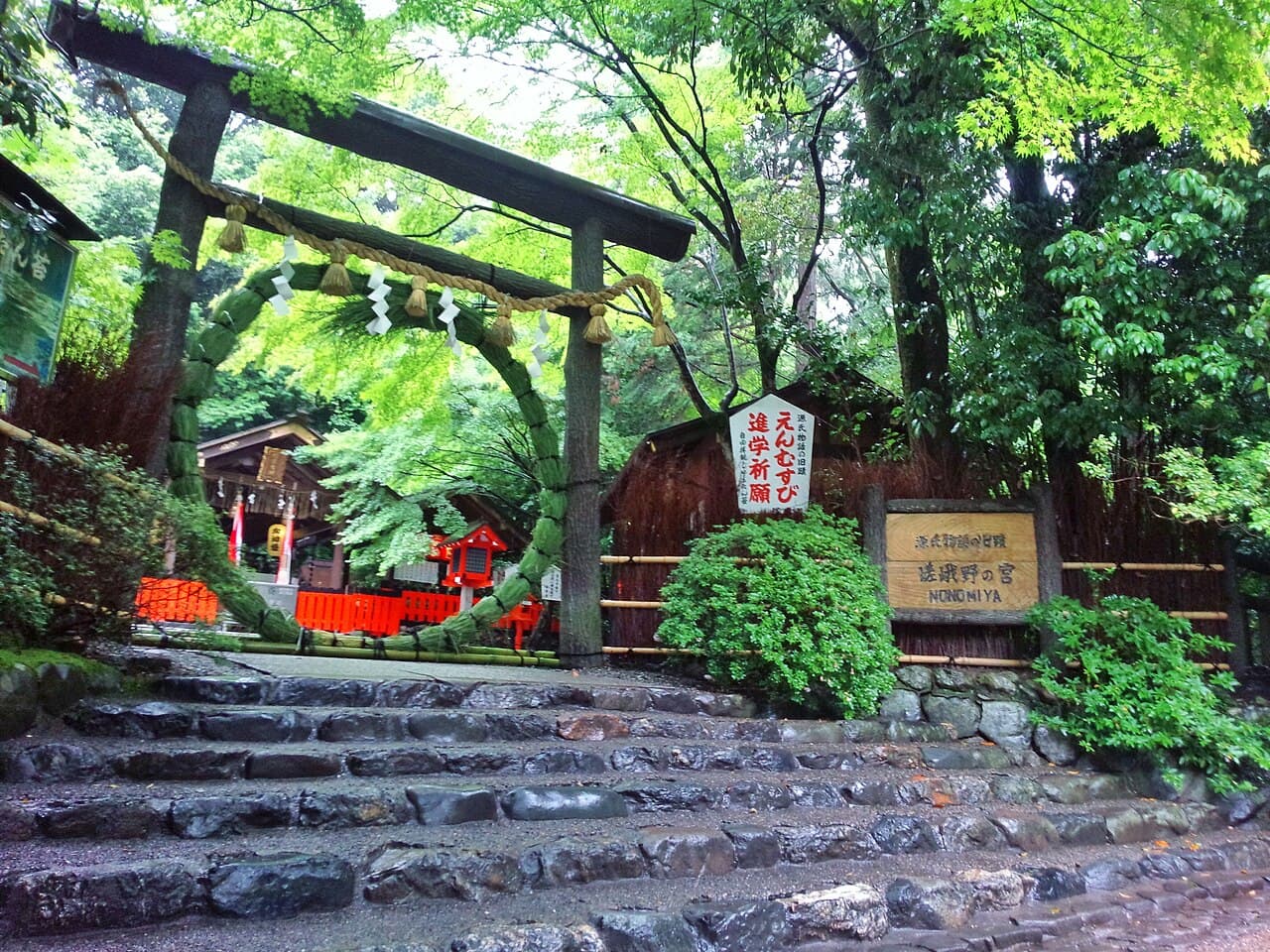
Tucked away in the famous Arashiyama bamboo grove is Nonomiya Shrine. In the novel, this is where Genji visits Lady Rokujō before she leaves Kyoto to accompany her daughter, the new high priestess, to Ise Shrine. It is a scene of melancholy and final goodbyes.
The shrine’s signature feature is its Black Torii (Kuroki Torii), made of unpeeled oak logs. It is the most primitive style of torii, retaining the bark to symbolize purity and a direct connection to nature. Standing here, amidst the rustling bamboo, you can feel the isolation and solemnity that Rokujō must have felt as she prepared to leave the capital forever.
Loading listing...
Uji: The Somber Finale
The final ten chapters of the book, known as the Uji Chapters, take place after Genji’s death. The tone shifts from romance to a darker, more intense Buddhist longing for salvation. The setting is Uji, a city south of Kyoto that was then a retreat for nobles seeking distance from the capital.
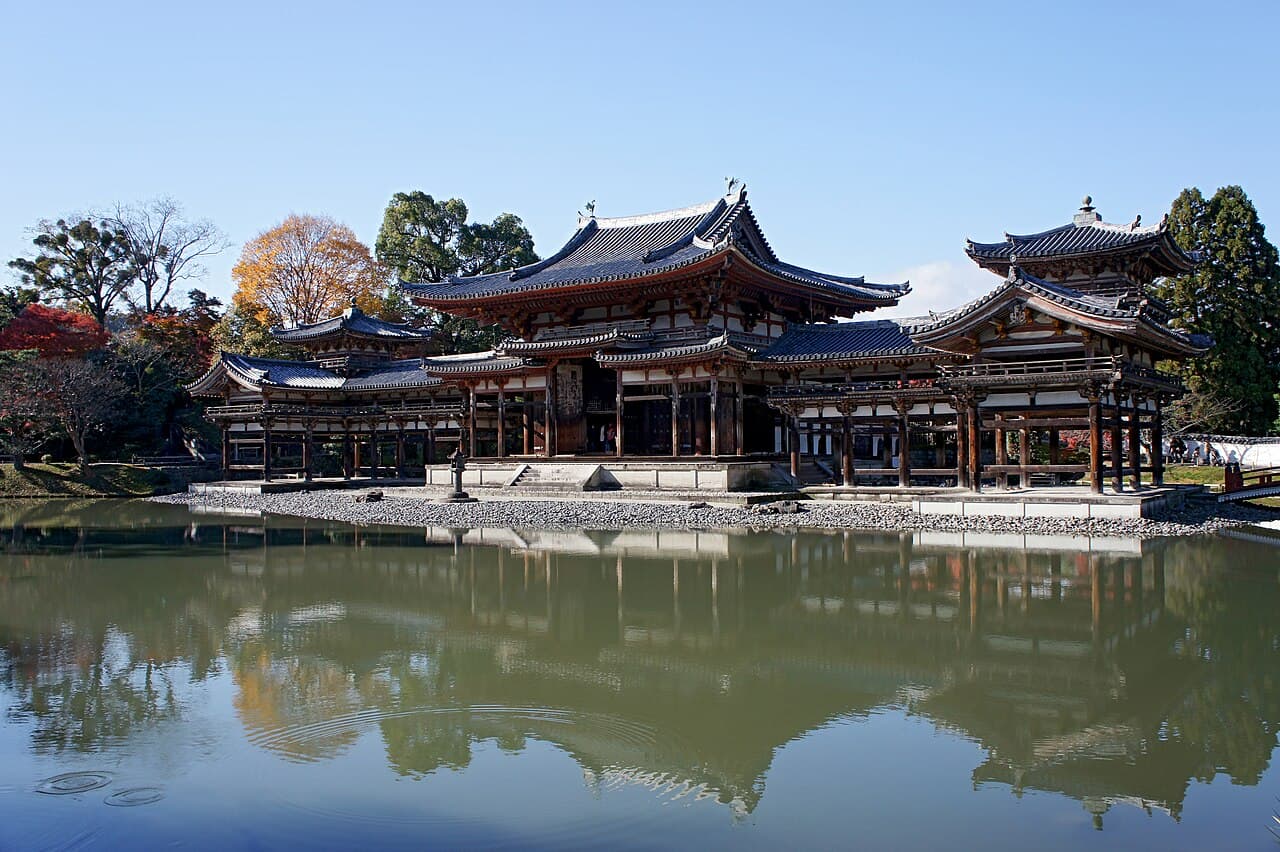
Byōdō-in Temple
This is the architectural masterpiece of the era. Built in 1052, the year many believed the "Latter Day of the Law" (mappō) began, it was an attempt to build heaven on earth. The Phoenix Hall houses a magnificent Amida Buddha, reflecting the desperate hope of the aristocracy for rebirth in the Pure Land. It is a physical manifestation of the salvation the characters in the Uji Chapters are constantly seeking.
Loading listing...
The Tale of Genji Museum
Also in Uji, this museum is essential for visualizing the world of the novel. It features life-size reconstructions of Heian rooms, ox carts, and films that dramatize the darker, spookier "Uji chapters." It brings the material culture of the book, such as the screens, the incense, the layers of robes, to vivid life.
How to Walk the Path
To truly experience the "Genji" side of Kyoto, you need to slow down. The Heian court moved at the speed of an ox cart.
- Read before you go. You don't need to finish the whole book (it's massive), but reading the "Aoi" chapter (for Shimogamo) and the "Sakaki" chapter (for Nonomiya) will transform your visit.
- Timing matters. If you can, visit Rozan-ji in late summer for the bellflowers, or Shimogamo in May for the Aoi Matsuri.
- Dedicate a full day to an Uji day trip. It has a melancholic, riverside beauty that feels distinct from central Kyoto. Start with Byōdō-in in the morning light, visit the museum, and drink the famous Uji matcha.
The Enduring Ghost
The Tale of Genji ends mid-sentence. There is no neat conclusion. In a way, that is the most Buddhist ending possible.
When you stand at sites like Rozan-ji, Nonomiya, and Byōdō-in, you are standing in the spaces where Murasaki Shikibu wrestled with the great questions of her time: Why do we suffer? How do we find peace? What happens when the party ends?
Her answers are written in the landscape of Kyoto. The temples and shrines are not just sets for a story. They are the spiritual anchors that allowed people to navigate a world defined by loss. To visit them is to acknowledge that while the blossoms fall, the search for meaning remains.