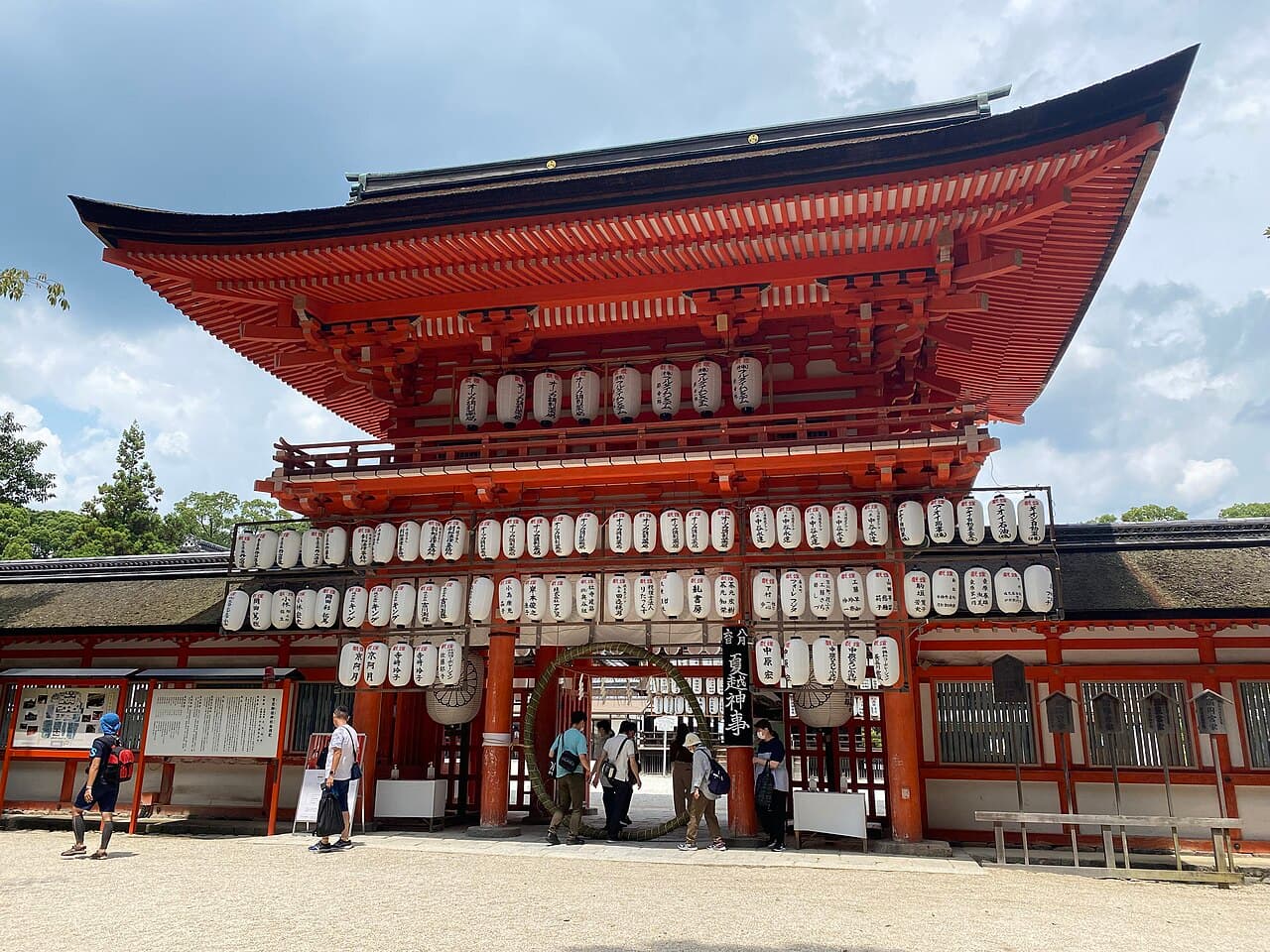
Rozanji Temple
Rozan-ji廬山寺

Rozanji Temple
Rozan-ji廬山寺
About Rozanji Temple
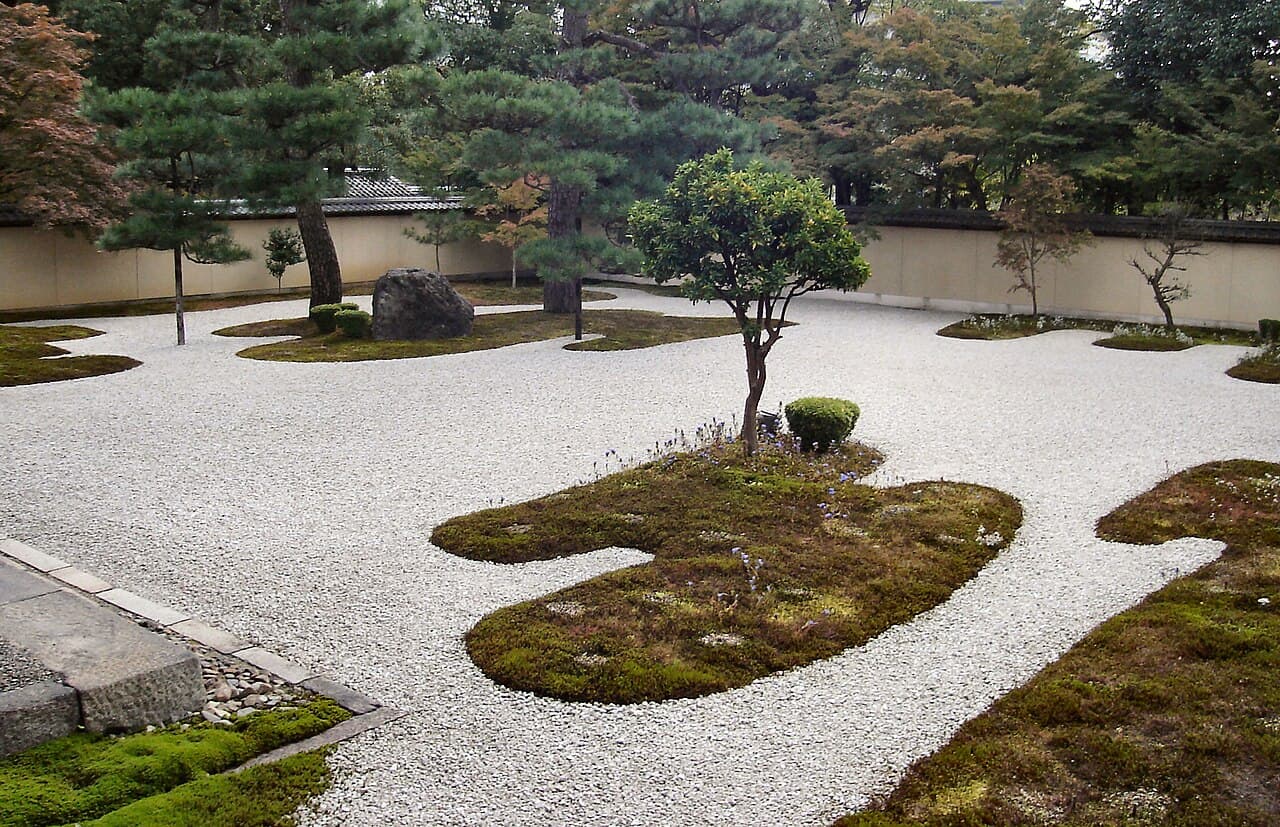
Rozan-ji is a historic Tendai temple located on the eastern edge of the Kyoto Imperial Palace, famously known as the former residence of Murasaki Shikibu, where she wrote 'The Tale of Genji'. The temple features the Genji Garden, a moss and white sand landscape celebrated for its bellflowers (kikyō) in summer, and is the site of the dramatic Setsubun 'Oni-Odori' (Demon Dance) festival. It serves as a unique literary and spiritual sanctuary, preserving the Heian-period atmosphere.
Cultural Assets
Testament of Ryōgen
National TreasureA significant historical document written in 972 by the temple's founder, Ryōgen, outlining the early structure of the Tendai sect.
Amida Nyorai Statues
Important Cultural PropertyHeian-period wooden carvings of Amida Nyorai and attendants, reflecting the temple's deep historical roots.
Genji Garden
Place of Scenic BeautyA landscaped garden of white sand and moss islands, famous for its summer blooms of Japanese bellflowers (kikyō).
Cultural Experiences
Oni-Odori (Demon Dance)
No Reservation NeededAvailability: Annually on February 3rd (Setsubun)
Open daily. The interior is closed from February 1st-9th for Setsubun preparations and on January 1st.
¥400 for elementary and junior high students. The outdoor Setsubun festivities are typically free to watch.
A compact site; 30-60 minutes is sufficient to see the garden, the small museum, and the main hall.
Limited. The garden paths are gravel and sand, and entering the temple buildings involves steps, making it difficult for wheelchairs.
Best Time to Visit
Late June to September for the bellflowers (kikyō). February 3rd for the Setsubun festival. Weekday mornings offer a quiet, contemplative experience.
Getting There
From Kyoto Station, take Bus #4, #17, or #205 to 'Furitsu Idai Byōin-mae' stop, then walk 5 mins. Alternatively, a 15-20 min walk from Demachiyanagi or Marutamachi stations.
Photography Policy
Photography is permitted in the Genji Garden but is strictly prohibited inside the temple buildings to protect artifacts. Tripods are banned.