Shimogamo Shrine (Kamomioya Shrine)
Shimogamo-jinja (Kamomioya-jinja)賀茂御祖神社

Shimogamo Shrine (Kamomioya Shrine)
Shimogamo-jinja (Kamomioya-jinja)賀茂御祖神社
About Shimogamo Shrine (Kamomioya Shrine)
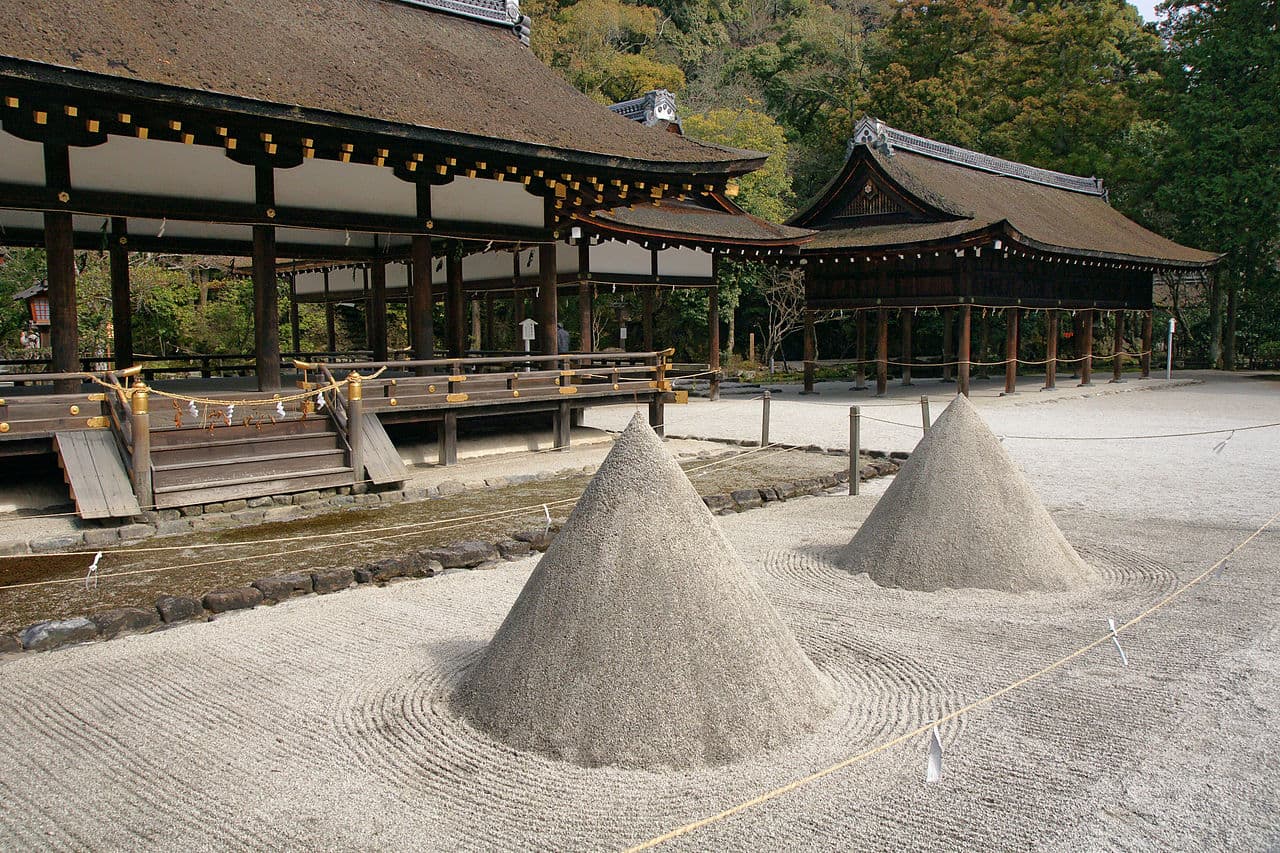
Shimogamo-jinja, formally Kamomioya-jinja, is one of Kyoto's oldest and most significant Shinto shrines, predating the capital's establishment in 794. Located at the sacred confluence of the Kamo and Takano rivers, it is a UNESCO World Heritage site enveloped by the primeval 'Tadasu no Mori' forest. Dedicated to the Kamo clan's ancestral deities, it serves as a spiritual guardian of the city and hosts the grand Aoi Matsuri. The grounds include the Kawai-jinja, a sub-shrine famous for beauty rituals.
Cultural Assets
East and West Main Halls (Honden)
National TreasureTwin sanctuaries rebuilt in 1863 in the classic Heian-period nagare-zukuri style.
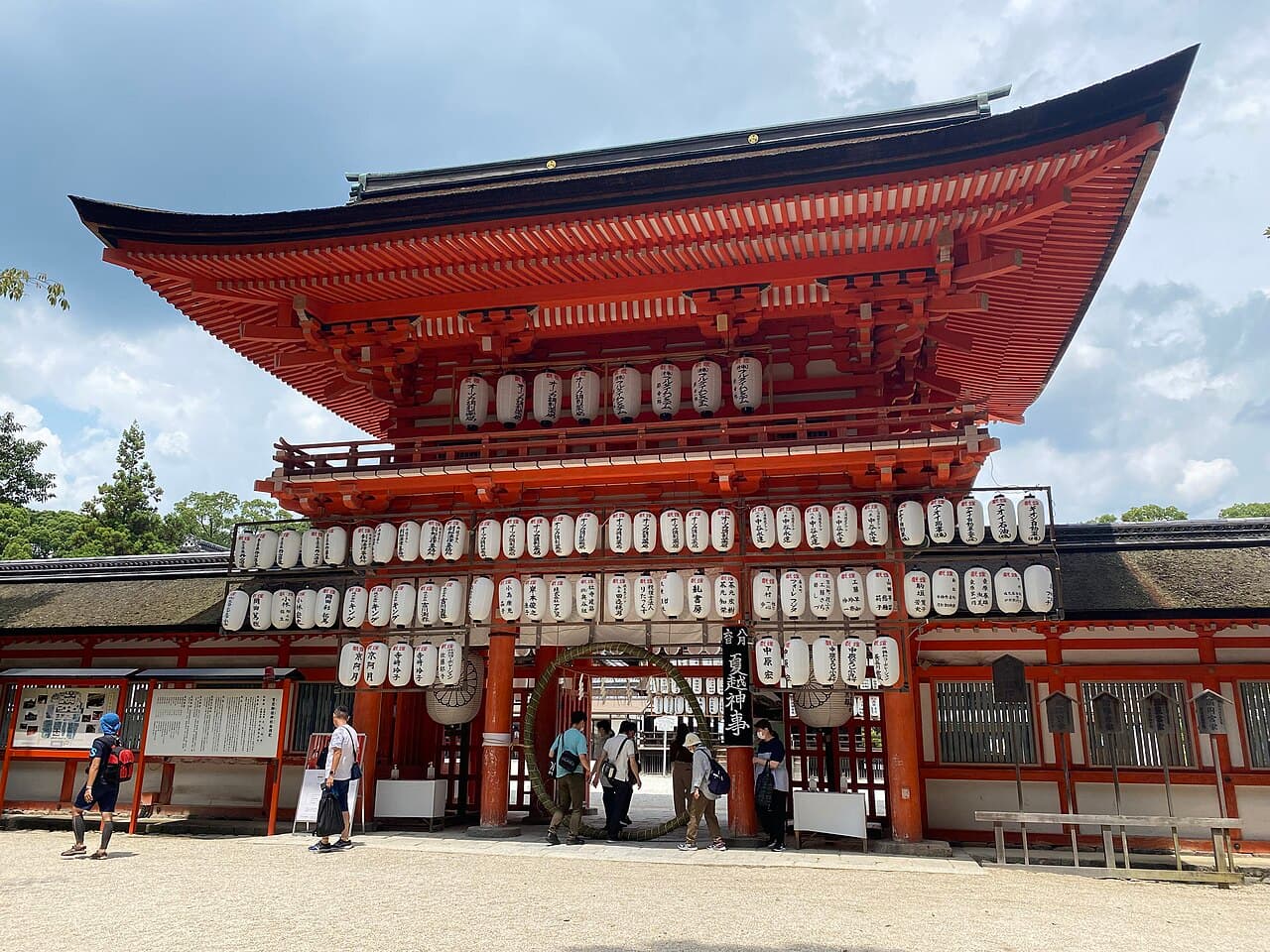
Romon Gate
Important Cultural PropertyThe iconic vermilion two-storied gate marking the entrance to the inner sanctuary.
Cultural Experiences
Kagami-ema (Mirror Votive) Painting
No Reservation NeededAvailability: Daily at Kawai-jinja
Mitarashi Foot-Dipping Ritual
No Reservation NeededAvailability: Annual festival in late July
The grounds are open daily.
Entry to the precincts and forest is free. Special viewing of the Oidono Hall costs approx. ¥500-1000.
Includes time to walk through the Tadasu no Mori forest and visit the Kawai-jinja beauty shrine.
Mostly barrier-free with flat approaches, though gravel paths can be taxing. Wheelchair rentals are available.
Best Time to Visit
May 15 for the Aoi Matsuri parade, or late July for the Mitarashi Festival. Early morning for serenity.
Getting There
Take Keihan Line to Demachiyanagi Station and walk 10 mins through the forest. Alternatively, take Bus #4 or #205 from Kyoto Station.
Photography Policy
Photography is permitted in outdoor areas but strictly prohibited inside the main sanctuary buildings (Honden) and Oidono Hall.