Daitokuji Temple
Daitoku-ji大徳寺

Daitokuji Temple
Daitoku-ji大徳寺
About Daitokuji Temple
Daitoku-ji is a vast, walled Rinzai Zen temple complex and the head of its own school of Zen. A veritable 'city of Zen', it contains nearly two dozen sub-temples, many with their own exquisite gardens, tea houses, and priceless art. It is particularly famous for its deep connection to the history of the Japanese tea ceremony and the legendary tea master Sen no Rikyū. While main halls are closed, the true experience lies in exploring the handful of sub-temples open to the public, each a unique world of tranquility.
Cultural Assets
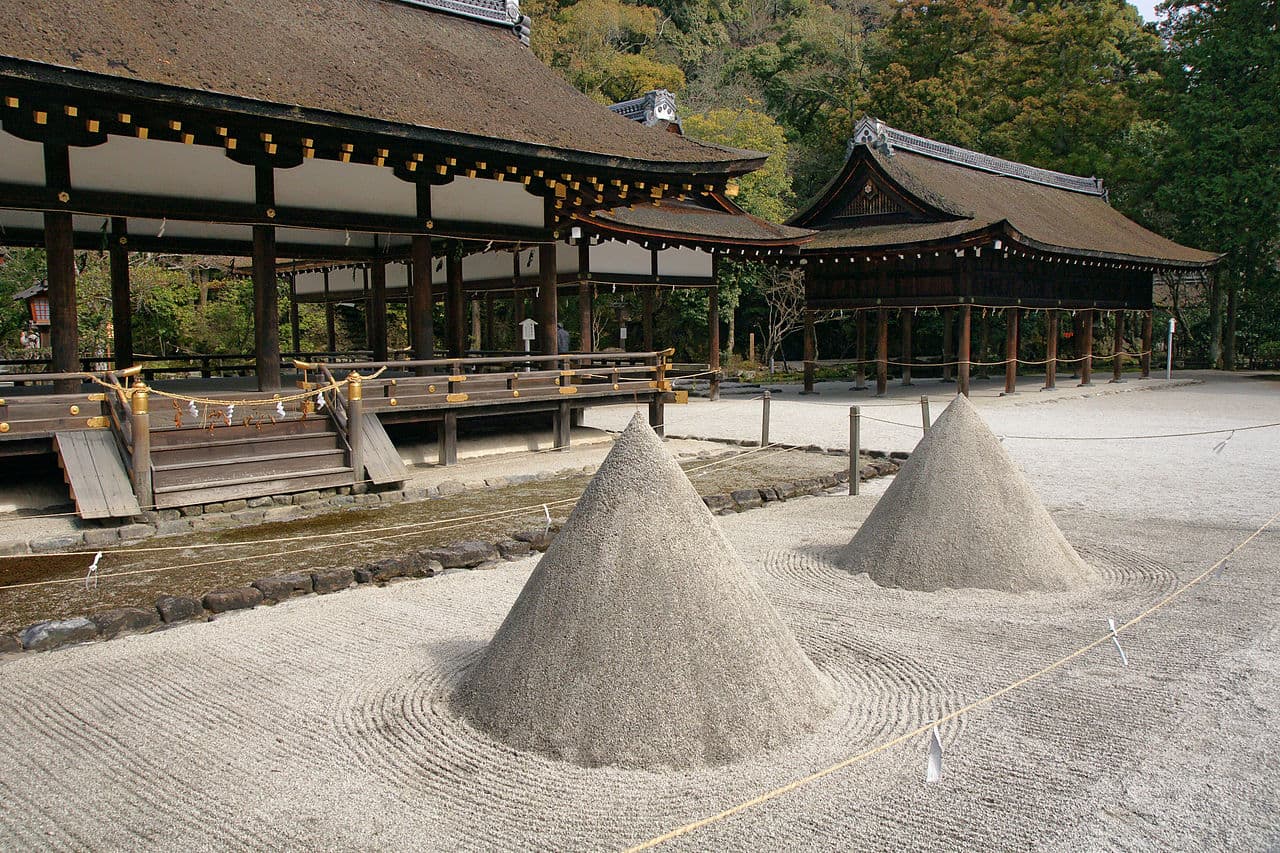
Hōjō (Abbot's Quarters) and its Garden
National TreasureThe main abbot's residence, rebuilt in 1635, featuring 84 screen paintings by Kanō Tan'yū and a celebrated dry landscape garden.
Karamon Gate
National TreasureAn ornate gate from the Momoyama Period, so beautiful it was said one could watch it until sunset, earning it the name 'Higurashimon'.
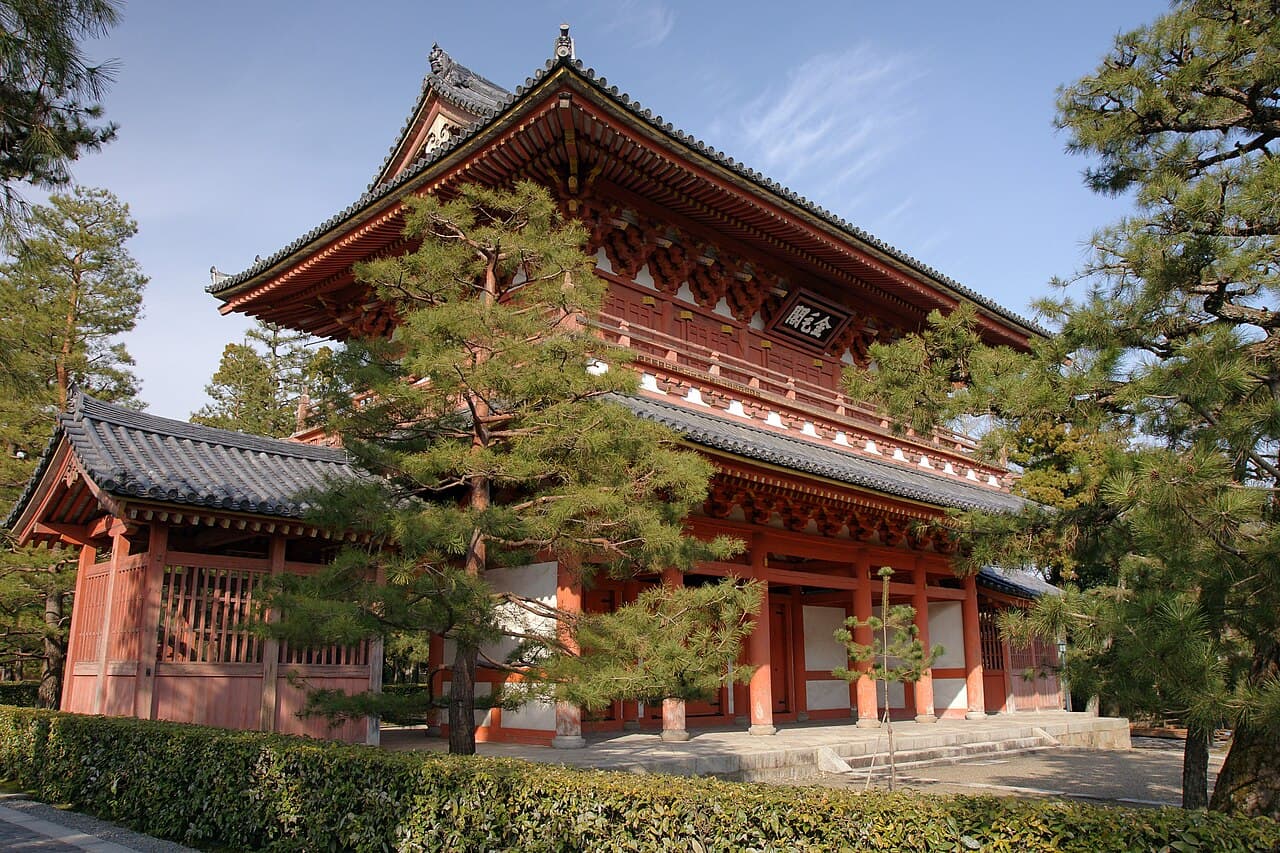
Sanmon Gate (Kinmokaku)
Important Cultural PropertyA massive two-story gate whose upper level was financed by tea master Sen no Rikyū, an act said to have led to his tragic downfall.
Cultural Experiences
Zazen Meditation
Availability: Available at Daiji-in sub-temple
Tea Ceremony
Availability: Available at some sub-temples
Main grounds are free to wander at any time. Entry hours and fees apply to individual sub-temples, which typically open around 9:00 and close between 16:30 and 17:00.
Entry to the main temple grounds is free. Separate admission fees (typically ¥350-¥500) are required for each of the sub-temples that are open to the public, such as Daisen-in and Ryogen-in.
Allow at least 2-3 hours to visit a few sub-temples. A full exploration of the vast grounds and multiple unique gardens can easily take half a day.
Limited. The vast grounds consist of gravel and uneven stone paths. Access to sub-temples and historic buildings involves steps and thresholds, making them challenging for wheelchair users.
Best Time to Visit
Late November is spectacular for autumn foliage, especially at Kōtō-in sub-temple (check for re-opening). For a tranquil experience, visit on a weekday morning when the grounds are quietest.
Getting There
From Kyoto Station, take Kyoto City Bus #205 or #206 to the Daitokuji-mae stop (~45 min). Alternatively, take the Karasuma Subway Line to Kitaoji Station, followed by a 15-minute walk.
Photography Policy
Photography is often permitted in outdoor gardens but is frequently prohibited inside the temple buildings, especially near painted screens (fusuma). Respect all posted signs.