Many of us travel to Kyoto to see the temples. We shuffle through the gates at 9:00 AM, fight the crowds for a photo of the rock garden, and then retreat to a climate-controlled hotel room to watch Netflix.
But what if you never left?
This is the promise of shukubo (宿坊), or temple lodging. It’s an invitation to step across the threshold and stay there. It’s a chance to trade your high-thread-count sheets for a futon on a tatami floor, and your hotel buffet for a silent, vegetarian feast. It is not a hotel stay; it is a gentle collision with the monastic life.
For centuries, shukubo was strictly for itinerant monks and weary pilgrims needing a roof over their heads. Today, in a twist of modern hospitality, these sacred spaces have opened their doors to us: the curious, the stressed, and the spiritually hungry.
Staying in a temple is about much more than sleeping in a cool building (though, let’s admit, sleeping in a 600-year-old sub-temple is incredibly cool). It’s about recalibrating your internal clock to the rhythm of the monastery. It’s about the smell of incense at 6:00 AM, the taste of simmered tofu, and the profound, heavy silence that falls over Kyoto when the tourists go home.
The Reality of the Room: Tatami, Futons, and Thin Walls
If you walk into a shukubo expecting the Ritz, you’re going to be disappointed. If you walk in expecting a lesson in Japanese aesthetics, you’ll be delighted.
The accommodation is unapologetically traditional. You will be sliding open paper doors (fusuma) to reveal a room that seems empty by Western standards. There is usually a low table, a cushion (zabuton), and the smell of woven straw mats. At night, you (or the staff) will lay out a futon.
This minimalism is a feature, not a bug. It forces you to unclutter your physical space, which, in theory, helps unclutter your mental space.
The Bathroom Situation: Let’s rip the bandage off: ensuite bathrooms are rare. In most shukubo, you are looking at communal toilets and shared baths (ofuro). For the uninitiated, the communal bath can be daunting, but it is also the great equalizer of Japanese culture. Sinking into hot water looking out at a moss garden after a day of walking is a luxury money can’t buy (even if you have to be naked around strangers to do it).
The Tech Detox: Wi-Fi is becoming common, but don’t count on it. Televisions are almost non-existent. The entertainment here is the sound of the wind in the pines and the terrifying loudness of your own thoughts.
Shojin Ryori: The Soul Food of the Monks
One of the undeniable highlights of a temple stay is the food. You will be served shojin ryori (精進料理), traditional Buddhist vegetarian cuisine.
Based on the precept of ahimsa (non-violence), this cuisine uses zero animal products. No meat, no fish, no eggs. But don't mistake "vegetarian" for "bland." This is high-level culinary art. Monks transform soybeans into tofu, yuba (tofu skin), and natto. They use konjac to mimic the texture of sashimi. They use seasonal mountain vegetables you’ve never heard of.
The meal usually arrives on lacquerware trays, a constellation of small bowls. The flavors are subtle: dashi made from kelp, the bitterness of a spring shoot, the sweetness of simmered pumpkin. Eating shojin ryori is a practice in mindfulness. You are tasting the season rather than shoveling fuel.
Note for the thirsty: While the food is pious, the drink policy varies. Buddhism generally frowns on intoxicants, but many shukubo (being hospitable Japanese hosts) do serve beer or sake. It’s a paradox, but a welcome one.
The Morning Gong: Rituals and Participation
The "price" of admission to this serene world is the alarm clock.
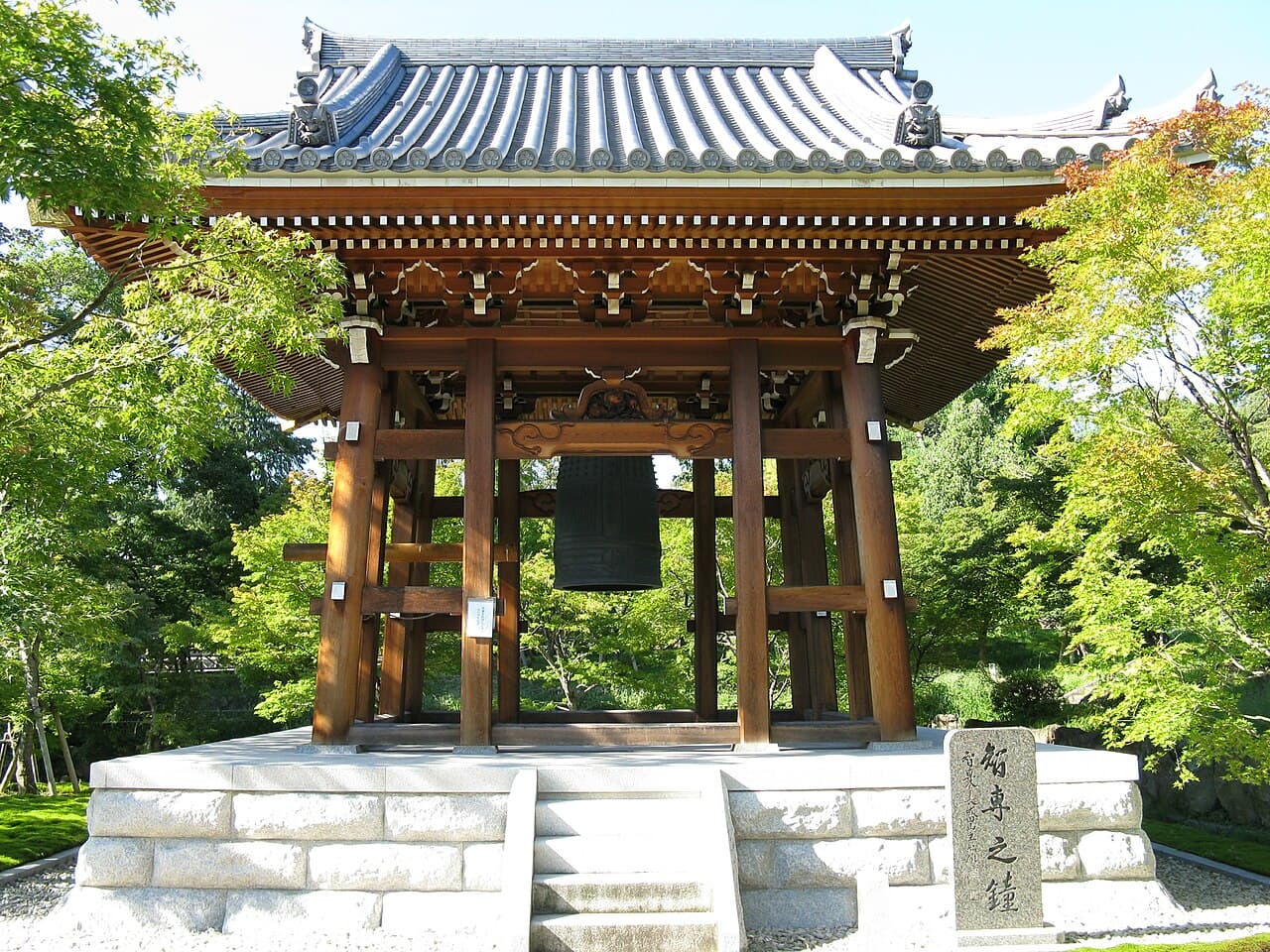
Most temples start their day before dawn. You will hear the gong or the bell, signaling the start of o-tsutome (morning prayers). While participation is usually optional, skipping it misses the entire point of the stay.
You’ll shuffle into the main hall, often freezing cold in winter (wear your layers!), and sit while the monks chant sutras. The sound is hypnotic, a rhythmic, guttural drone that vibrates in your chest. The scent of incense fills the air. You might be invited to offer incense yourself.
Beyond prayers, many temples offer:
- Zazen or seated meditation. You’ll learn to count your breaths and (try to) ignore the itch on your nose.
- Shakyo or sutra copying. You trace ancient Buddhist characters with a calligraphy brush. It’s surprisingly soothing, even if you can’t read a word of what you’re writing.
Kyoto’s Best Sanctuaries of Slumber
Not all shukubo are created equal. Some are run like polished hotels; others feel like you’ve been adopted by a grandmotherly nun. Here are four (but actually five) standout options in Kyoto.
1. Myoshin-ji Complex
Best for: The English Speaker & Zen Curious (Shunko-in) or The Authentic Minimalist (Daishin-in)
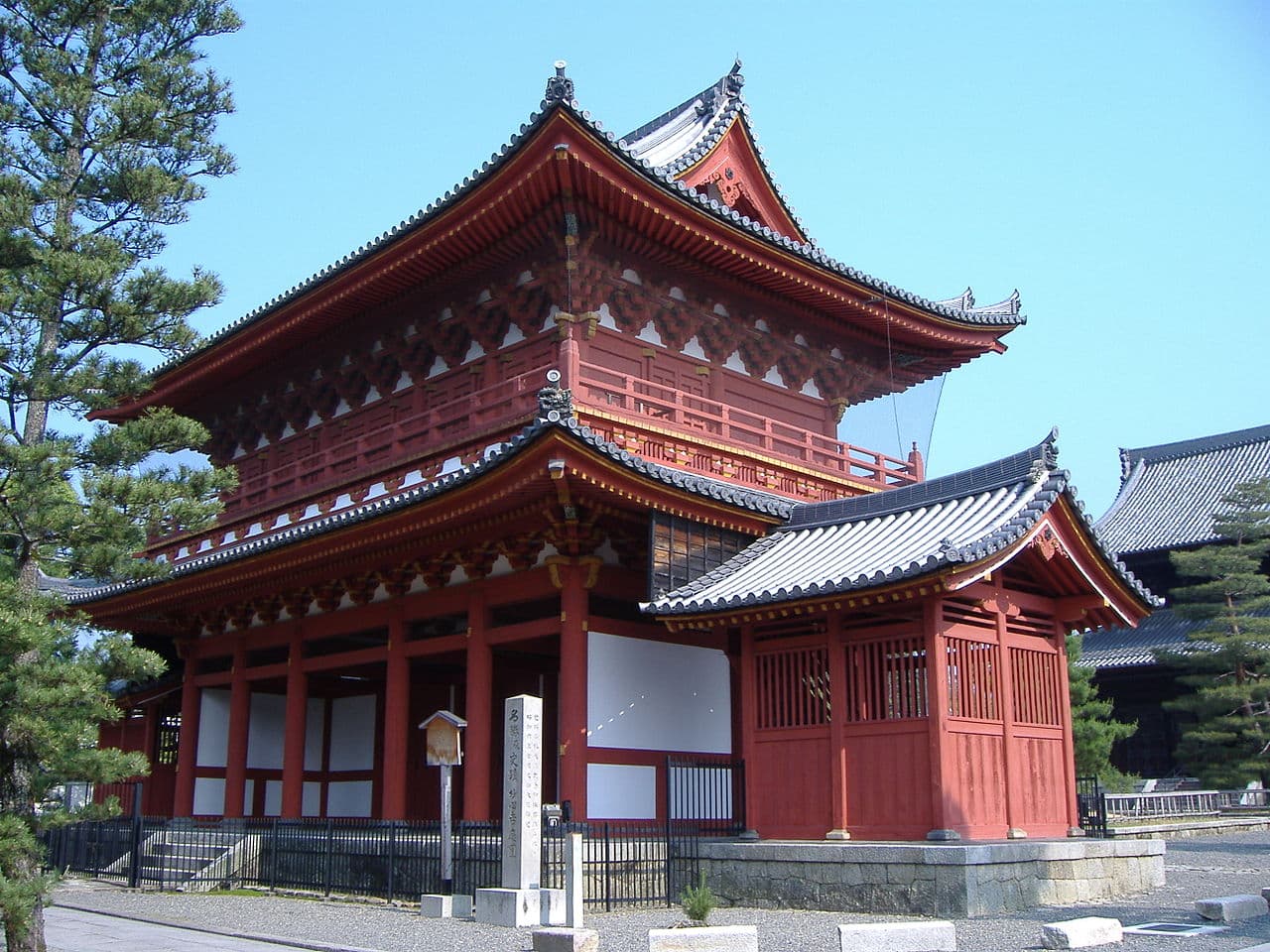
Shunko-in is a subtemple located inside the massive Myoshin-ji complex. This is arguably the most foreigner-friendly shukubo in Kyoto. The vice-abbot, Rev. Taka Kawakami, was educated in the US and offers Zen meditation classes in fluent English. He bridges the gap between esoteric philosophy and modern life brilliantly. The rooms here are modern, we’re talking private showers and air conditioning, making it a "soft landing" for first-timers.
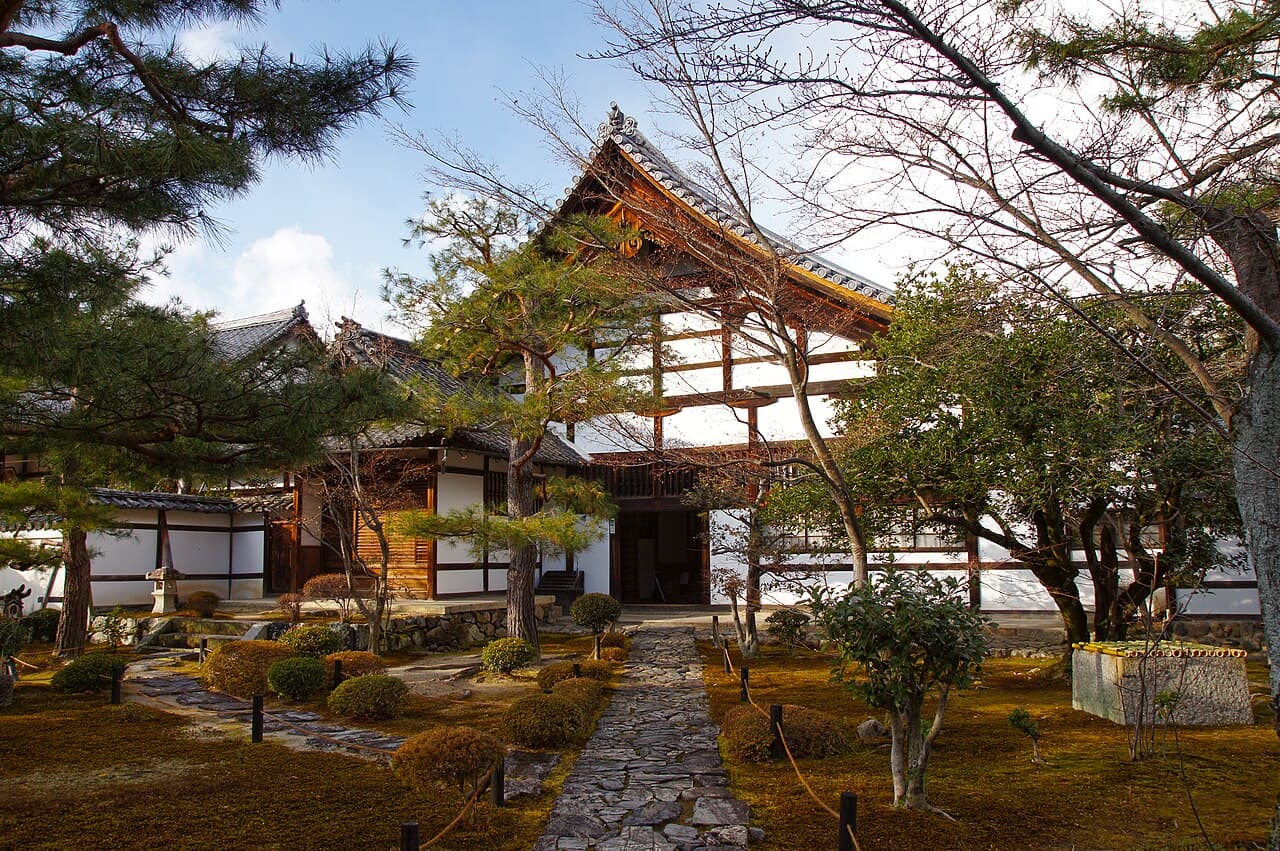
If you want the "real deal" (no frills, just Zen) Daishin-in is it. Also located in Myoshin-ji, it is rustic. You stay within the temple proper, separated by thin sliding doors. The gardens are exquisite, particularly the "A-un" rock garden. The monks here are known for their warmth, despite the language barrier. It’s affordable, quiet, and deeply atmospheric.
Loading listing...
2. Ninnaji Temple Omurokaikan
Best for: The UNESCO Hunter
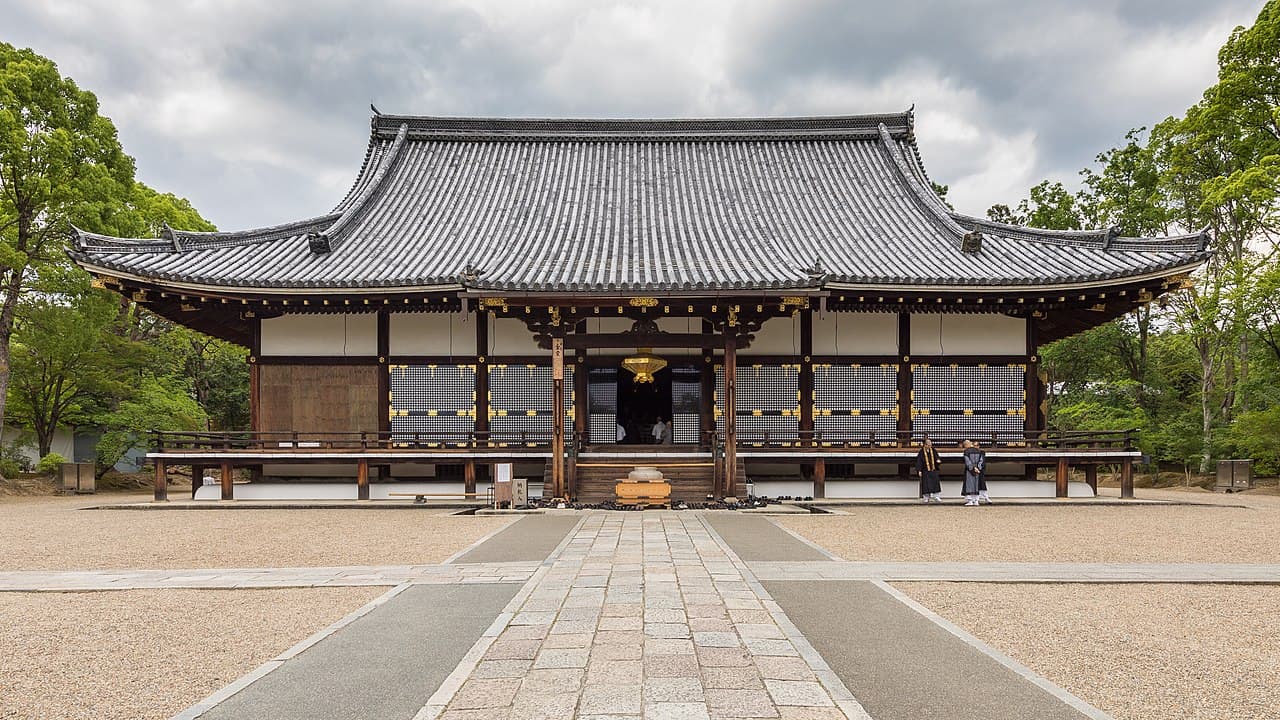
Imagine waking up inside a World Heritage Site. Ninna-ji is famous for its late-blooming cherry trees and immense history. Guests at the Omurokaikan (the lodging hall) get exclusive access to the temple grounds before the tourists arrive. The morning service takes place in the Golden Hall (Kondo), a national treasure usually closed to the public. That privilege alone is worth the price of admission.
Loading listing...
4. Chishakuin Kaikan
Best for: The Morning Spectacle
This is the lodging for the head temple of the Chisan Shingon sect. It feels more like a modern Japanese hotel (clean, comfortable, private toilets), but the main event is the morning service. It is a fire ritual involving dozens of monks chanting in unison. It is a powerful, thundering wall of sound that is completely different from the quietude of Zen temples.
Loading listing...
5. Rokuo-in
Best for: Women Seeking Solitude
Tucked away near Arashiyama, this temple offers accommodation exclusively for women. It’s known for its stunning autumn foliage and its strict (but healthy) schedule. The curfew is early (7:30 PM!), forcing you to actually rest. If you are a solo female traveler looking to decompress and feel safe, this is a hidden gem. Note: Japanese language ability is usually required here.
Loading listing...
The Practical Pilgrim: How to Book and Behave
Booking a shukubo used to require a fax machine and a prayer. Today, it’s easier, but there are still quirks.
Booking:
- Plan Ahead, Kyoto is popular. Book months in advance, especially for cherry blossom (April) or autumn foliage (November) seasons.
- Some places (like Shunko-in or Chishaku-in) have websites with English booking forms. Others still rely on phone calls or third-party sites like Japanese Guest Houses.
- Cash is King. Many temples do not accept credit cards. Arrive with a stack of yen.
Etiquette:
- Mind the curfew. Temples lock their gates early (often 9:00 PM or 10:00 PM). If you want to party in Gion, stay in a hotel. If you miss curfew, you are sleeping on the street.
- Be quiet, walls are paper-thin. Your late-night phone call is a broadcast to the entire monastery. Keep it down.
- Be Punctual. Dinner is served at a specific time (usually 6:00 PM). Being late is disrespectful to the cook (often a monk) and the life of the ingredients.
- Dress adequately. You don’t need robes, but modest, comfortable clothing is best for meditation.
The Takeaway
A shukubo stay is a reset button. It removes the distractions of modern travel (the TV, the bar, the noise) and leaves you with just the essentials: food, sleep, and your own mind.
It isn't always easy. You might wake up with stiff legs. You might miss your coffee. But when you are sitting on a wooden veranda at dawn, watching the light creep across a raked gravel garden, you realize that you aren't just visiting Kyoto. You are finally, truly, waking up in it.