Myoshinji Temple
Myōshin-ji妙心寺

Myoshinji Temple
Myōshin-ji妙心寺
About Myoshinji Temple
Myōshin-ji is the head temple of Japan's largest Rinzai Zen school, a vast, self-contained world in northwestern Kyoto. Founded in 1337 on the site of Emperor Hanazono's villa, the sprawling complex includes nearly 50 sub-temples. Its most famous treasures are the Hatto Hall, with its mesmerizing ceiling painting of a dragon, and a 7th-century National Treasure bell, the oldest in Japan still in use. The grounds offer a tranquil escape, with serene paths and exquisite gardens in sub-temples like Taizoin and Keishunin.
Cultural Assets
Temple Bell (Okikicho)
National TreasureCast in 698 AD, it is the oldest-known Buddhist temple bell in Japan and the oldest in the world still in regular use.
Hatto Hall (Dharma Hall)
Important Cultural PropertyBuilt in 1656, it is famous for its giant ceiling painting of a dragon.
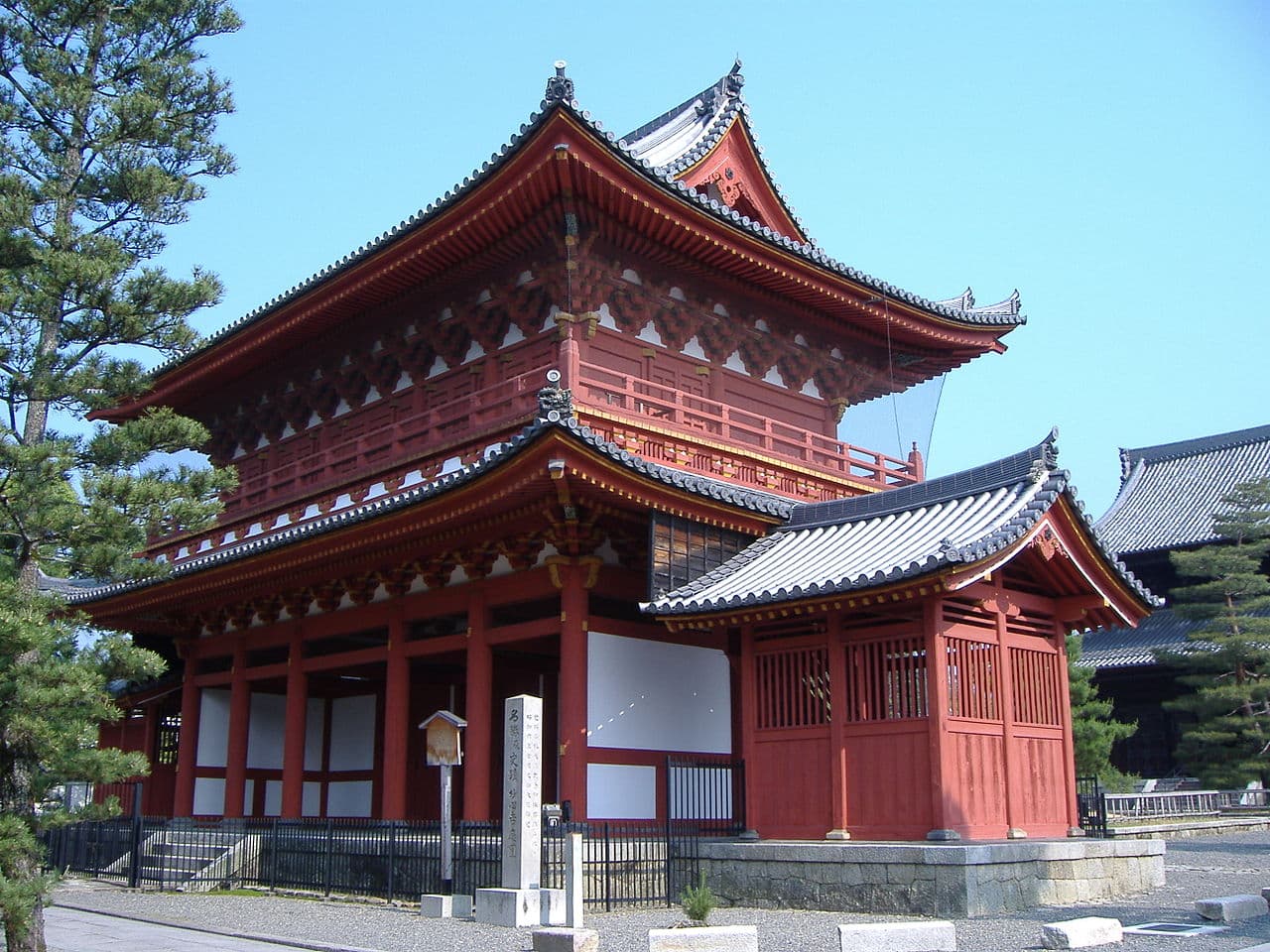
Sanmon Gate
Important Cultural PropertyThe main gate of the temple complex, originally built in 1599.
Dai-hōjō (Large Abbot's Quarters)
Important Cultural PropertyBuilt in 1654, a prime example of classic Shoin architecture.
Cultural Experiences
Zazen Meditation
Availability: Periodic
Temple Stay (Shukubo)
Reservation RequiredAvailability: At Daishin-in and Tōrin-in sub-temples
Grounds are free to wander. Hatto Hall is open 9:00-12:00 and 13:00-16:00 (last entry 15:30). Sub-temples like Taizoin and Keishunin have their own hours, generally 9:00-17:00.
Entry to the main temple grounds is free. Separate admission is required for specific halls and sub-temples. Hatto Hall: ¥500. Taizoin Temple: ¥600. Keishunin Temple: ¥500. Daishinin Temple: ¥300.
Plan 2-3 hours for a standard visit including the Hatto Hall and one or two sub-temples. A full exploration of all open sub-temples can take half a day or more.
Limited. The vast grounds consist mainly of gravel paths and stone steps, which are challenging for wheelchair users. The interiors of the historic buildings are not accessible.
Best Time to Visit
For the most tranquil experience, visit on a weekday morning during off-peak seasons (late spring or early autumn) to avoid crowds.
Getting There
Easiest access is via train. From Kyoto Station, take the JR Sagano Line to Hanazono Station (10 min), followed by a 5-minute walk to the south gate.
Photography Policy
Photography is generally permitted on the grounds and in gardens. It is restricted or prohibited inside most temple halls, especially of artworks like the Hatto's dragon ceiling. Flash is strictly forbidden indoors.