Ninnaji Temple
Ninna-ji仁和寺
Ninnaji Temple
Ninna-ji仁和寺
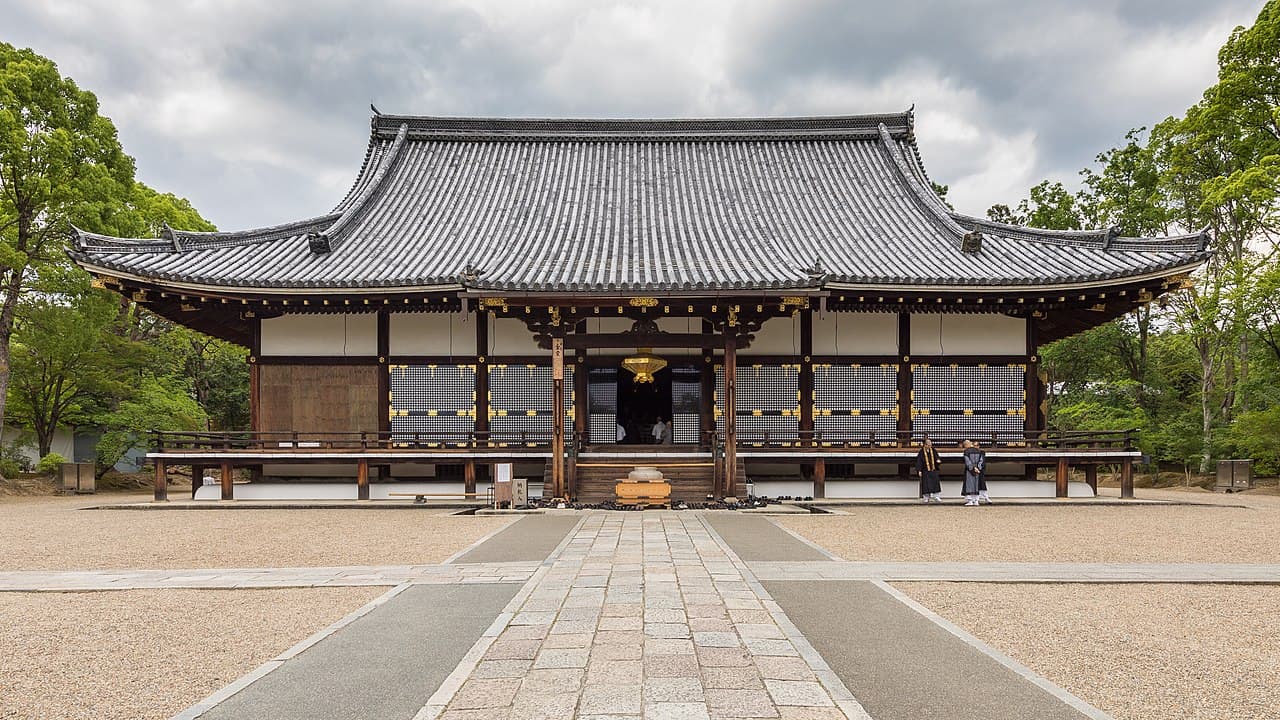
About Ninnaji Temple
Ninna-ji is a UNESCO World Heritage site and the head temple of the Omuro school of Shingon Buddhism. Founded in 888 by Emperor Uda, it has a deep imperial connection, with emperors' sons traditionally serving as head priest. The complex includes a five-story pagoda, palatial Goten residence, and numerous National Treasures.
Cultural Assets
Golden Hall (Kondō)
National TreasureThe main hall of worship, housing a revered image of Amida Buddha.
Niōmon Gate
Important Cultural PropertyOne of Kyoto's three great temple gates, guarding the main entrance.
Five-Story Pagoda
Important Cultural PropertyAn elegant 36-meter tall pagoda dating from the 17th century.
Goten (Palace)
Important Cultural PropertyThe former imperial residence, featuring palatial architecture and painted fusuma screens.
Cultural Experiences
88 Temple Pilgrimage
No Reservation NeededAvailability: Daily
Tea Ceremony
Reservation RequiredAvailability: Periodic
Zazen Meditation
Reservation RequiredAvailability: Periodic
Last entry is 30 minutes before closing. During cherry blossom season, the sakura grove is open 8:00-17:00.
Admission to the main grounds is free (except during cherry blossom season). Goten Palace: ¥800. Reihokan Museum (seasonal): ¥500. Omuro Sakura Grove (seasonal): ¥500.
A full exploration including the Goten Palace and gardens requires 2-3 hours. The 88 Temple Hike adds another 1-1.5 hours.
Limited. The grounds are extensive with gravel paths and steps. Visitors with mobility concerns should inquire with the temple directly.
Best Time to Visit
Peak season is mid-April for the unique, late-blooming Omuro cherry blossoms. To avoid crowds, visit on a weekday morning.
Getting There
Take the Keifuku (Randen) Kitano Line to Omuro-Ninnaji Station (2 min walk). Alternatively, take Kyoto City Bus #26 from Kyoto Station to the Omuro Ninna-ji stop.
Photography Policy
Photography is generally allowed outdoors. Restrictions apply inside the Goten palace and Reihokan museum.