Yogenin Temple
Yōgen-in養源院

Yogenin Temple
Yōgen-in養源院
About Yogenin Temple
Yōgen-in is a temple steeped in the history of Japan's great clans. Founded in 1594 by Yodo-dono for her father, Azai Nagamasa, it was rebuilt in 1621 by her sister Oeyo, wife of the Tokugawa shogun. Its most famous and somber feature is the 'blood ceiling' (chitenjo), constructed from the floorboards of Fushimi Castle where Tokugawa loyalists, led by Torii Mototada, committed seppuku in 1600. The temple also houses priceless screen paintings by Tawaraya Sōtatsu and Kanō Sanraku.
Cultural Assets
Main Hall (Hondō) and other structures
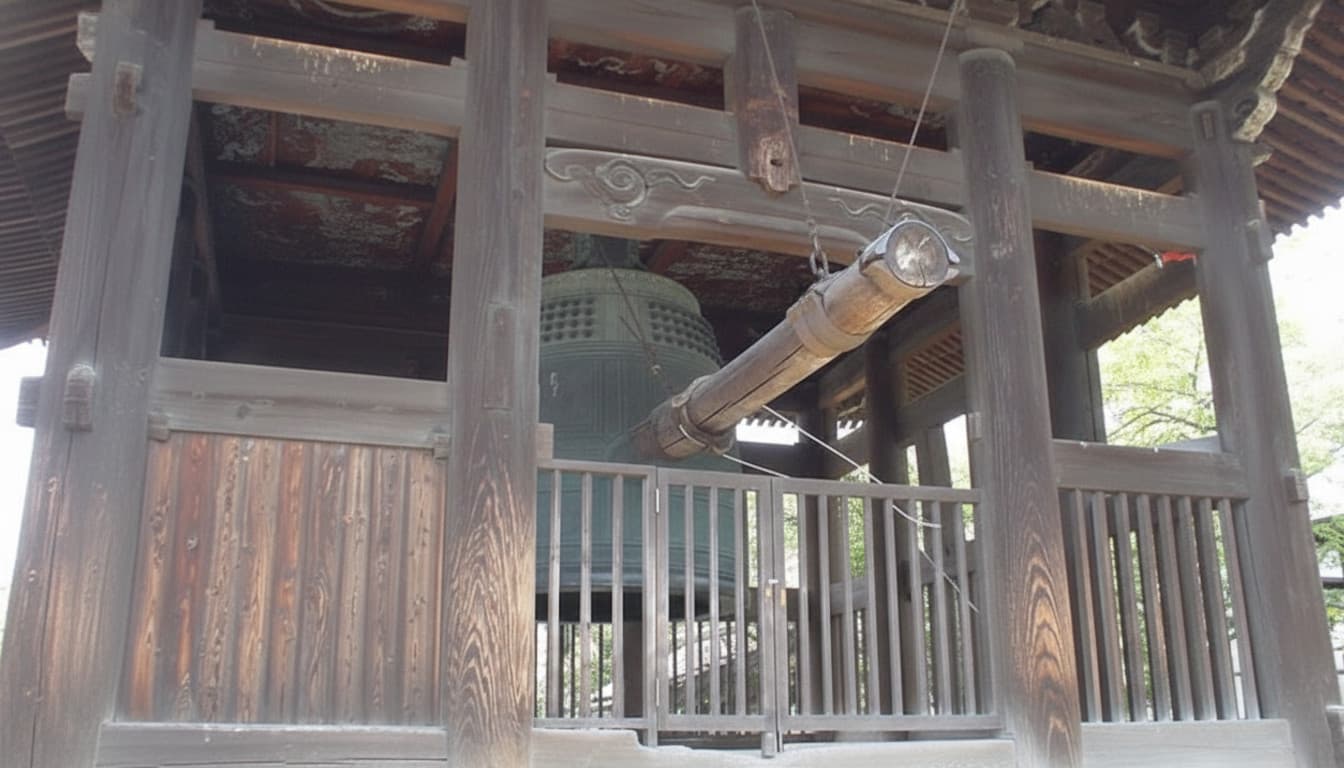
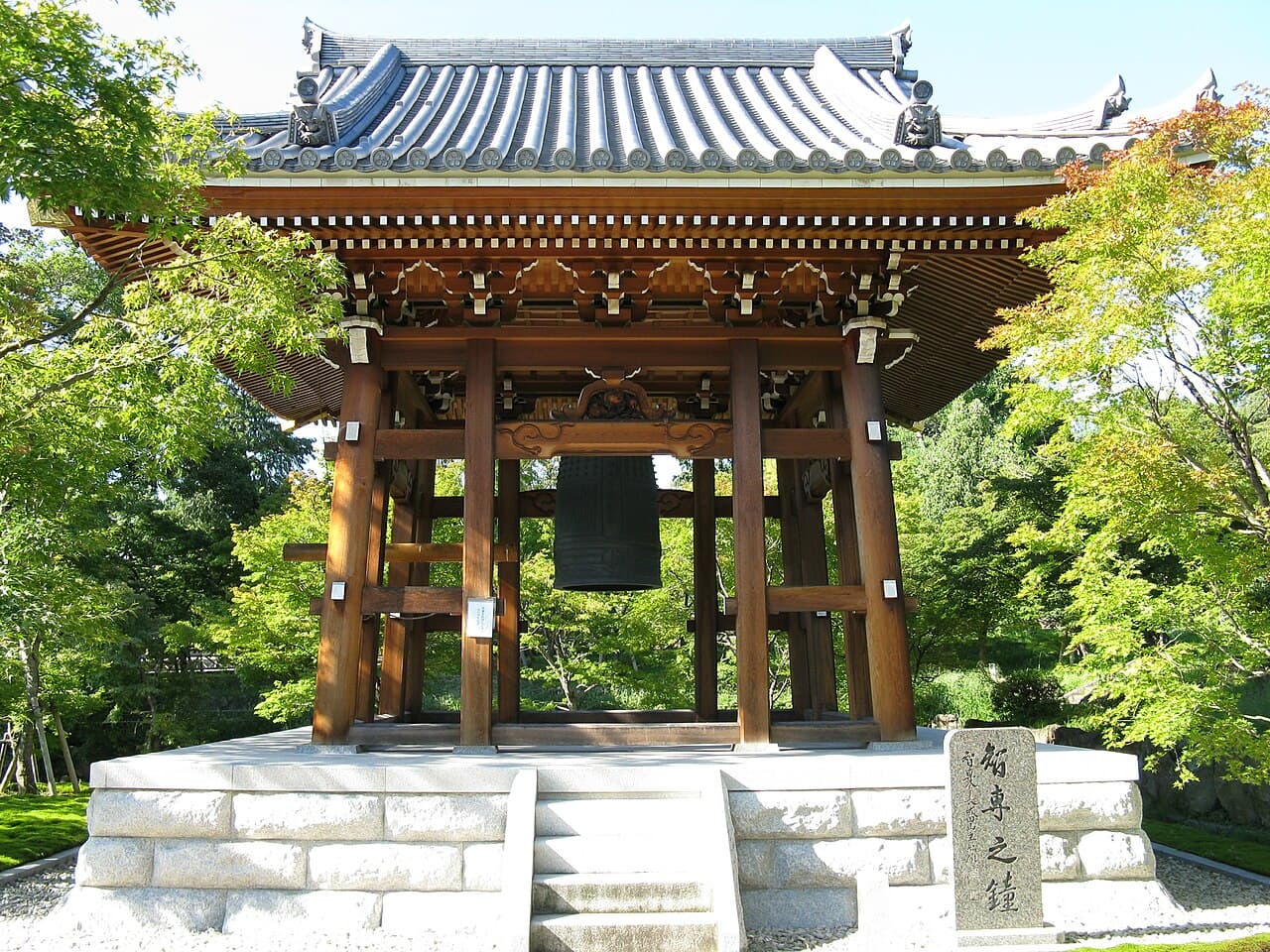
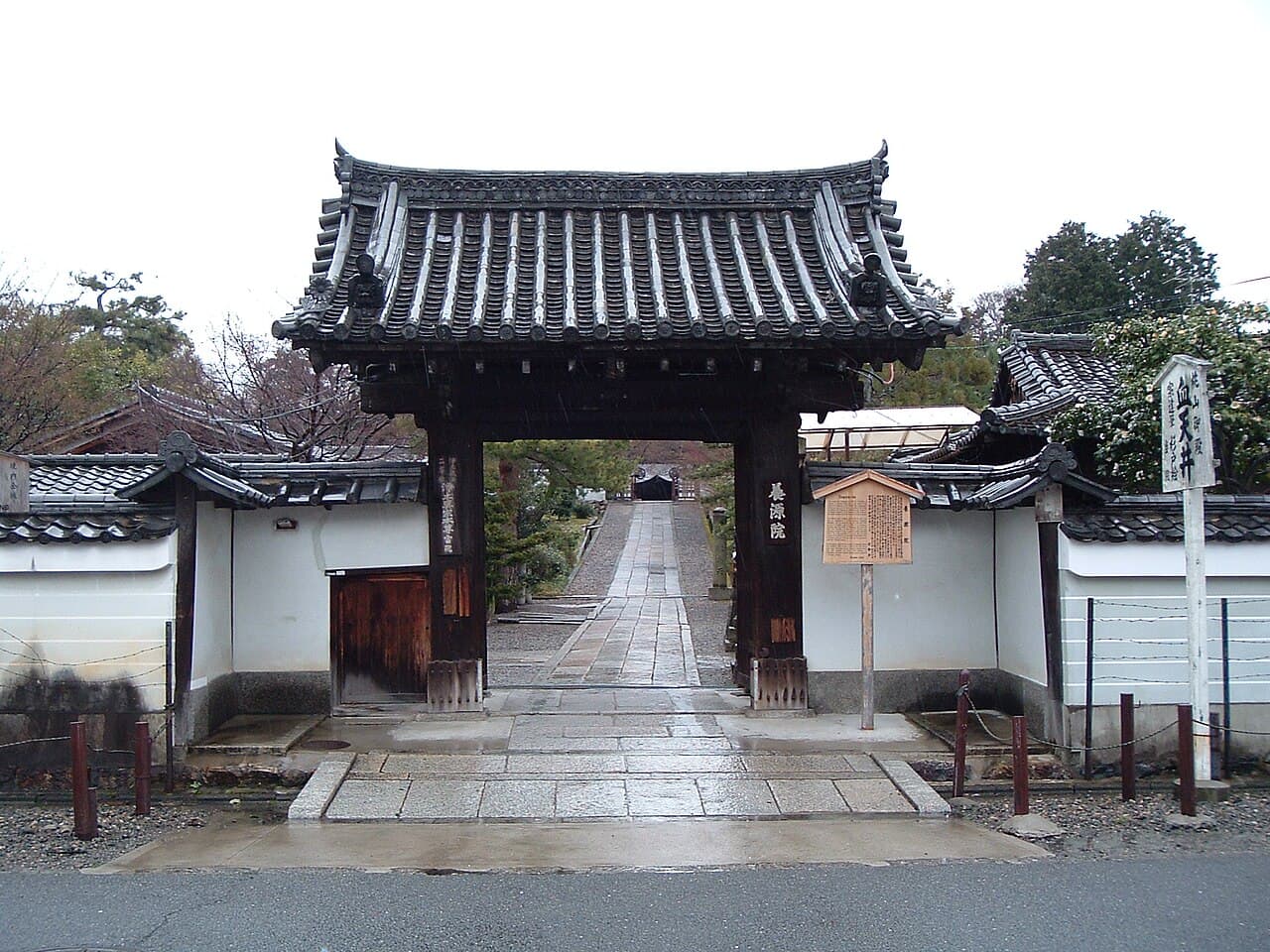
Important Cultural PropertyThe main hall, Goma hall, inner gate, and bell tower, all dating from the 1621 reconstruction.
Cedar Door Paintings by Tawaraya Sōtatsu
Important Cultural PropertyFamous paintings of white elephants, Chinese lions, and qilin, created to appease the spirits of the fallen samurai.
Fusuma Paintings by Kanō Sanraku
Important Cultural PropertyElegant paintings of peonies on gold-leaf backgrounds adorning the sliding doors of the 'Peony Room'.
Opening days and hours are irregular. Visitors must check the official Instagram account (@yougenin) before visiting to confirm the temple is open. Last admission is at 14:30.
Admission is ¥600 for adults.
A typical visit takes 30-60 minutes to see the main hall, blood ceiling, and artworks, often accompanied by a brief explanation from temple staff.
The historic wooden buildings feature steps and traditional corridors ('nightingale floors'), which are not wheelchair accessible.
Best Time to Visit
As a 'hidden gem' that is often quiet, any weekday morning or afternoon is ideal for a tranquil visit. The key is to confirm it is open via Instagram beforehand.
Getting There
From Kyoto Station, take Bus #100, #206, or #208 to the 'Hakubutsukan-Sanjusangendo-mae' stop (Kyoto National Museum), followed by a 3-minute walk.
Photography Policy
Photography and videography are strictly prohibited inside the temple buildings to protect the cultural properties and maintain a reverent atmosphere.