Koshoji Temple
Kōshō-ji興聖寺
Koshoji Temple
Kōshō-ji興聖寺
About Koshoji Temple
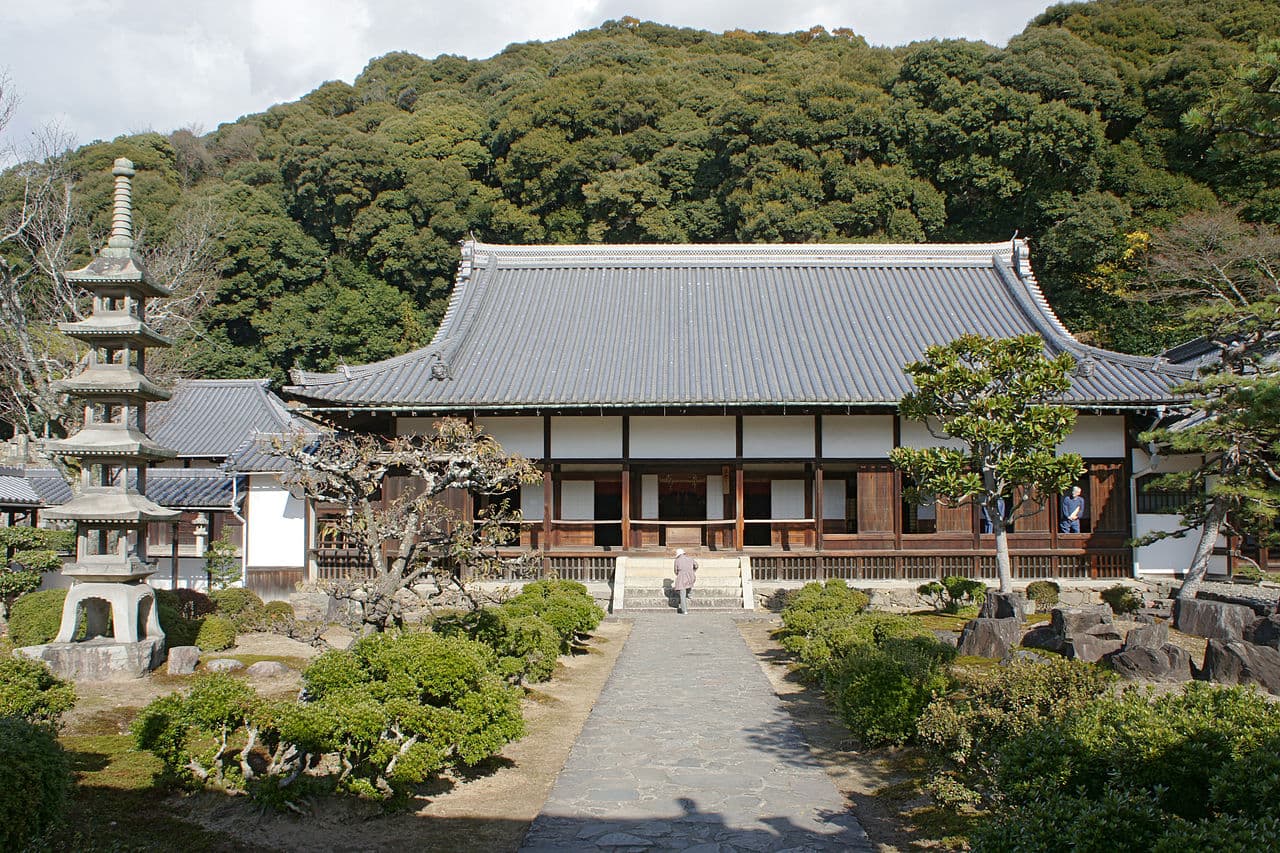
Kōshō-ji, the first Sōtō Zen monastery in Japan, stands as a testament to the vision of Dōgen Zenji. Rebuilt in Uji in 1645 using materials from Fushimi Castle, it features poignant 'blood ceilings' stained with the footprints of samurai who committed seppuku. The temple is renowned for its Kotozaka (Harp Slope) approach, where the sound of the stream mimics a koto, and its Ryūgū-style (Dragon Palace) gate. It remains an active training seminary offering zazen meditation to the public.
Cultural Assets
Sanmon Gate
Historic StructureA distinctive Ryūgū-zukuri (Dragon Palace style) whitewashed gate, a unique architectural feature rare in Zen temples.
Hattō (Dharma Hall)
Historic StructureThe main hall constructed from disassembled parts of Fushimi Castle, featuring a 'blood ceiling' as a memorial to fallen samurai.
Cultural Experiences
Zazen Meditation
Reservation RequiredAvailability: 1st & 3rd Sundays of the month
Sutra Copying (Shakyo)
Reservation RequiredAvailability: By appointment
Temple Stay (Shukubo)
Reservation RequiredAvailability: By inquiry
Grounds (Kotozaka) open from dawn to dusk (approx 5:00-17:00).
General admission is ¥500. Zazen and Sutra Copying experiences are ¥1,000 each.
A standard visit takes about 60 minutes. Allow 90 minutes if participating in Zazen or exploring the full grounds.
Partial. The main courtyard is reachable, but historic buildings have steps and thresholds. Accessible restrooms are available near the entrance.
Best Time to Visit
Late November for the 'Maple Tunnel' on Kotozaka. Arrive between 9:00-10:00 AM to beat the crowds coming from Byōdō-in.
Getting There
From Keihan Uji Station, it's a 10-15 minute walk. From JR Uji Station, it's a 20-25 minute walk via Byōdō-in Omotesando.
Photography Policy
Photography is permitted in the outdoor gardens and Kotozaka. It is strictly prohibited inside the main halls and during Zazen. Tripods are banned.