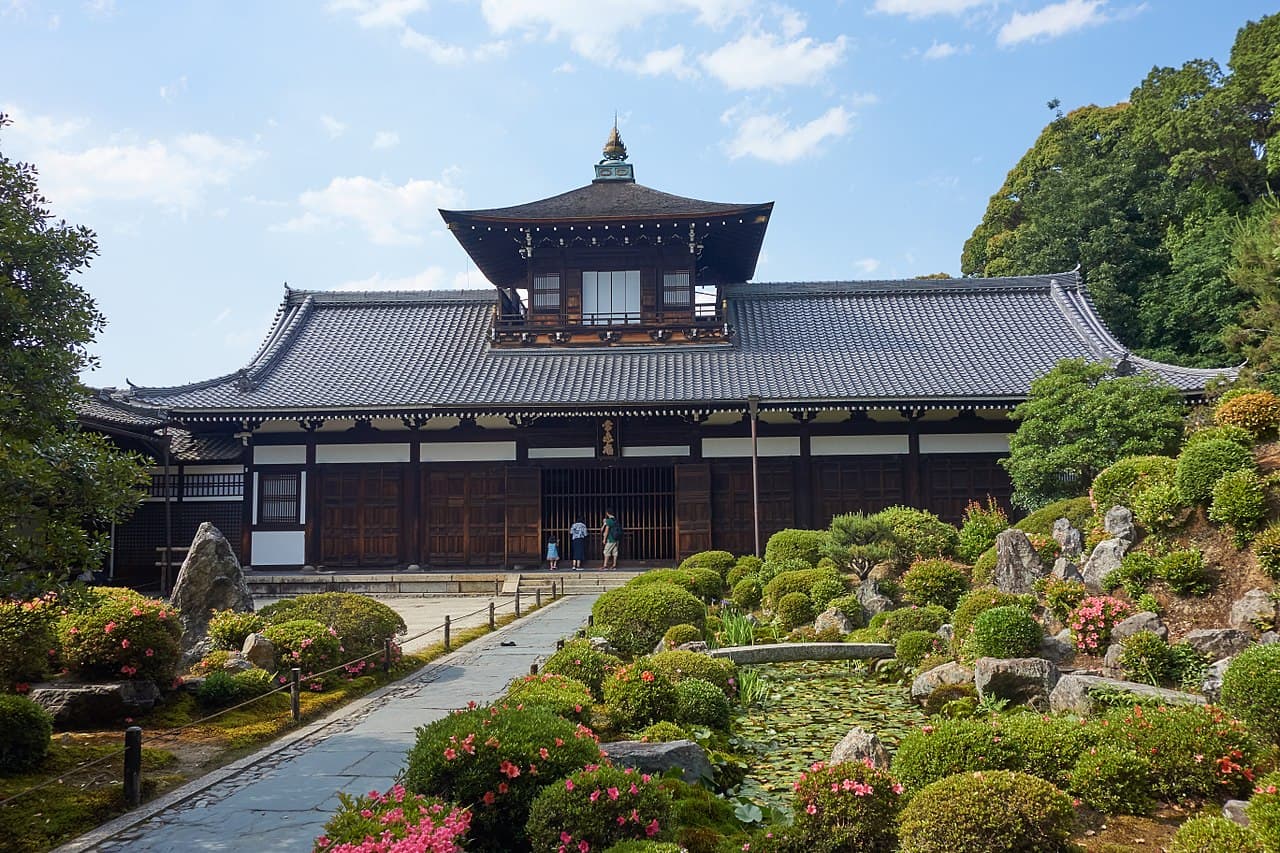
Fushimi Inari Taisha
Fushimi Inari Taisha伏見稲荷大社

Fushimi Inari Taisha
Fushimi Inari Taisha伏見稲荷大社
About Fushimi Inari Taisha
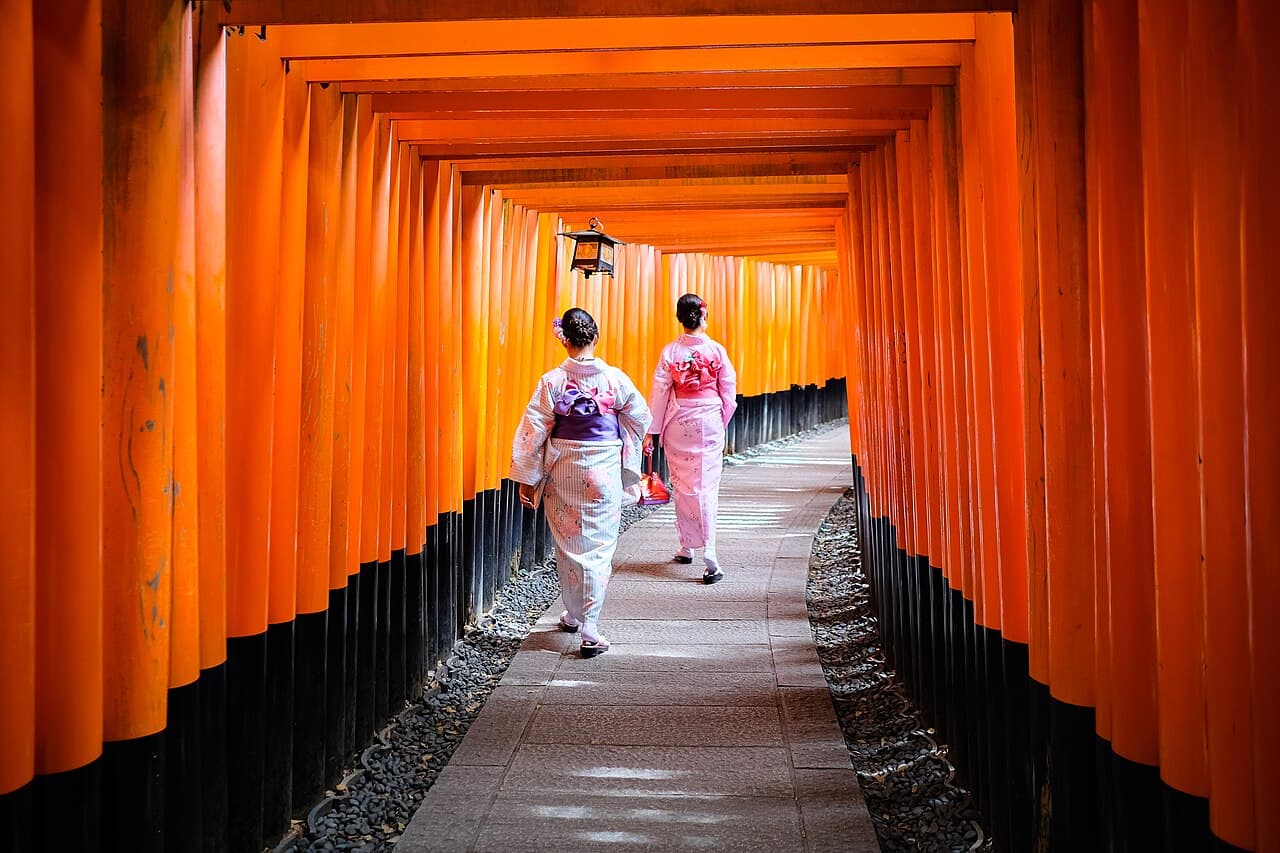
Fushimi Inari Taisha is the head shrine of all Inari shrines in Japan, dedicated to the Shinto god of rice and prosperity. It is world-famous for the Senbon Torii, a mesmerizing network of thousands of vibrant vermilion torii gates that form a tunnel up the sacred Mount Inari. The entire mountain is part of the shrine's precincts, featuring a 4 km trail dotted with smaller shrines and countless statues of foxes (kitsune), the divine messengers of Inari.
Cultural Assets
Main Hall (Honden)
Important Cultural PropertyThe main shrine building, an elegant example of Shinto architecture dating from 1499, comprising five shrines built together.
Romon Gate
Important Cultural PropertyThe grand two-story main gate at the shrine's entrance, said to have been built by the great leader Toyotomi Hideyoshi in the late 16th century.
Cultural Experiences
Mountain Pilgrimage Hike
No Reservation NeededAvailability: Daily, 24 hours
Hatsumōde (New Year's Visit)
No Reservation NeededAvailability: January 1-3 annually
The shrine grounds and mountain trails are open 24/7. Shrine offices and shops typically operate from around 9:00 to 17:00.
Admission is free. Donations for torii gates are voluntary and separate.
A quick visit to the main buildings and lower torii paths takes about an hour. The full hike to the summit of Mount Inari and back is a 4 km round trip that takes 2-3 hours.
The main shrine complex at the base of the mountain is largely flat and accessible. However, the famous torii gate paths that ascend the mountain consist of many steep and uneven stone steps and are not wheelchair accessible.
Best Time to Visit
Autumn offers spectacular foliage against the vermilion gates. To avoid extreme crowds, visit at sunrise or in the late evening.
Getting There
From Kyoto Station, take the JR Nara Line to Inari Station (5 min). The shrine's main entrance is directly across the street from the station.
Photography Policy
Photography is generally permitted along the torii paths. It is prohibited inside the main hall (Honden). Commercial photography requires a permit. Tripods are discouraged due to heavy foot traffic.